How to Implement a Comprehensive Gas Detection System: A Step-by-Step Guide for Industrial Safety Managers
A Practical Guide to Deploying Your Industrial Gas Detection System
For safety managers and plant engineers, selecting the right gas detector is only half the battle. The real challenge lies in its effective implementation. A poorly installed or configured system can create a false sense of security, leaving personnel and assets vulnerable. This step-by-step guide, drawing on nearly two decades of expertise from Beijing Zetron Technology Co., Ltd. (Zetron), will walk you through the process of planning, installing, and maintaining a robust gas detection system tailored to your specific industrial needs.
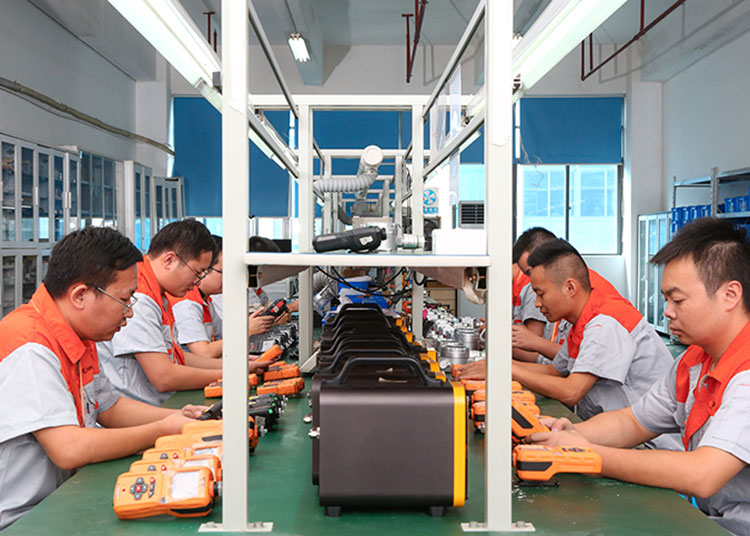
Zetron's rigorous production and testing processes ensure every gas monitor meets the highest standards.
Step 1: Conduct a Thorough Site Risk Assessment
Before purchasing any equipment, you must identify the hazards. This involves:
- Identifying Target Gases: Is the primary risk from carbon monoxide (CO) in boiler rooms, methane leaks in pipelines, toxic gases like H2S in wastewater treatment, or VOCs in painting booths? A multi gas detector might be necessary for complex environments.
- Mapping the Area: Determine the size, ventilation patterns, and potential leak sources. Heavier-than-air gases like propane accumulate in low areas, while lighter gases like methane rise.
- Defining Zones: Classify areas based on the probability of a hazardous atmosphere (e.g., Zone 0, 1, 2 for explosive atmospheres). This dictates the required safety certification, such as the ATEX certification held by Zetron devices.
Step 2: Selecting the Right Type of Detector
Based on your assessment, choose between:
Fixed Gas Detector vs. Portable Gas Detector
Fixed Gas Detectors: Permanently installed to provide continuous, 24/7 monitoring of critical points. Ideal for known risk areas like compressor stations, storage tanks, or confined space entries. Zetron's online gas detector systems, such as the MIC600-Aqi station, offer real-time data integration into control rooms.
Portable Gas Detectors: Used for personal safety, leak surveys, and spot checks in non-routine or mobile operations. Zetron's portable gas monitor range, like the PTM600 series, provides flexibility for maintenance crews and safety officers.
Often, a hybrid system using both is the most effective strategy.
Step 3: Strategic Sensor Placement and Installation
Even the best gas detector alarm is useless if placed incorrectly.
- Height Matters: Place sensors for gases heavier than air (e.g., radon, propane) near the floor. For lighter gases (e.g., methane, ozone), place them near the ceiling or potential leak sources.
- Avoid Dead Zones: Keep sensors away from corners, behind equipment, or in areas with poor air circulation.
- Consider Environmental Factors: Protect sensors from direct water spray, dust, or extreme temperatures unless the device has a suitable IP rating like Zetron's IP68 protection.
- Interconnection is Key: For large areas, ensure devices can communicate. Zetron's systems feature real-time wireless interconnection (4G, NB-IoT, Wi-Fi), triggering area-wide alerts and transmitting precise locations if one gas leak detector is activated.
Step 4: Calibration, Bump Testing, and Maintenance
A detection system is a life-saving device that requires regular care.
- Initial Calibration: Every sensor must be calibrated after installation using certified calibration gas to ensure accuracy (Zetron devices boast high precision of 1% F.S.).
- Bump Testing: Before each use (for portables) or weekly/monthly (for fixed systems), expose the sensor to a known concentration of gas to verify the alarm and sensor response. Zetron's fast response time (<0.8 seconds) is critical here.
- Scheduled Maintenance: Follow the manufacturer's schedule for full calibration, sensor replacement, and hardware checks. Zetron's cloud platform can help automate maintenance logs and alerts.
Step 5: Integration, Training, and Response Planning
The system must be part of a broader safety culture.
- Integrate with Control Systems: Connect your fixed gas detector network to plant DCS/SCADA, ventilation controls, or emergency shutdown systems for automated responses.
- Comprehensive Training: Train all personnel on what different gas detector alarm sounds mean, how to use a portable gas detector, and the location of fixed monitors.
- Clear Response Procedures: Establish and drill clear evacuation and emergency procedures. Zetron's SOS and real-time location tracking features can significantly aid emergency response.
Why Choose Zetron as Your Implementation Partner?
With nearly 20 years of focus, Zetron isn't just a supplier; we are a "One-stop industrial testing equipment solution provider." Our implementation support goes beyond the hardware:
- Full-Chain Customization (OEM/ODM): From needs diagnosis to solution design and product realization, we tailor the system—whether it's a flue gas analyzer for a thermal plant or a biogas gas analyzer for a waste treatment facility.
- Certified Reliability: Our products carry CE, ATEX, SIL2, ISO9001 certifications, assuring international compliance and quality. Visit our website to learn more.
- Comprehensive Product Line: Whether you need a simple CO detector alarm, a sophisticated photoionization detector (PID) for VOCs, or a complete emission gas analyzer system, Zetron provides an integrated portfolio.
- Proven Track Record: Trusted by global partners like SGS, CEMEX, and COSCO SHIPPING for their critical gas safety needs.
Contact Zetron Today: Ready to implement a life-saving detection system? Reach out to our experts for a consultation.
Tel: +86-15699785629 | Email: info@bjzetron.com | Website: www.zetroncn.com
Implementing an effective gas detection system is a meticulous but non-negotiable process for any responsible industrial operation. By following these steps and partnering with an experienced provider like Zetron, you move beyond mere compliance to create a genuinely safer workplace, protecting your most valuable assets—your people and your productivity.
Have Questions or Need More Details?
Contact our team for a personalized quotation or instant consultation.
Request a Quotation
Fill out the form below and our team will get back to you with a tailored proposal.
WhatsApp Direct Chat
Prefer to chat in real-time? Message us on WhatsApp for instant assistance & quick answers.
- Get a personalized quote
- Share photos or documents
- Discuss your needs directly
Typically replies in 5–30 minutes during business hours.