How to Choose the Right Gas Detector for Your Industrial Application: A Comprehensive Buyer's Guide
How to Choose the Right Gas Detector for Your Industrial Application: A Comprehensive Buyer's Guide
Selecting the appropriate gas detector is a critical decision for any industrial operation. With the global emphasis on workplace safety and environmental compliance intensifying, as seen in recent updates to OSHA guidelines and the EU's Industrial Emissions Directive, the right equipment is not just a regulatory checkbox but a fundamental component of operational integrity. Whether you need a portable gas detector for personal safety, a fixed gas detector for continuous area monitoring, or a sophisticated gas analyzer for process control, understanding the key selection criteria is essential. This guide will walk you through the process, helping you make an informed decision to protect your personnel, assets, and the environment.
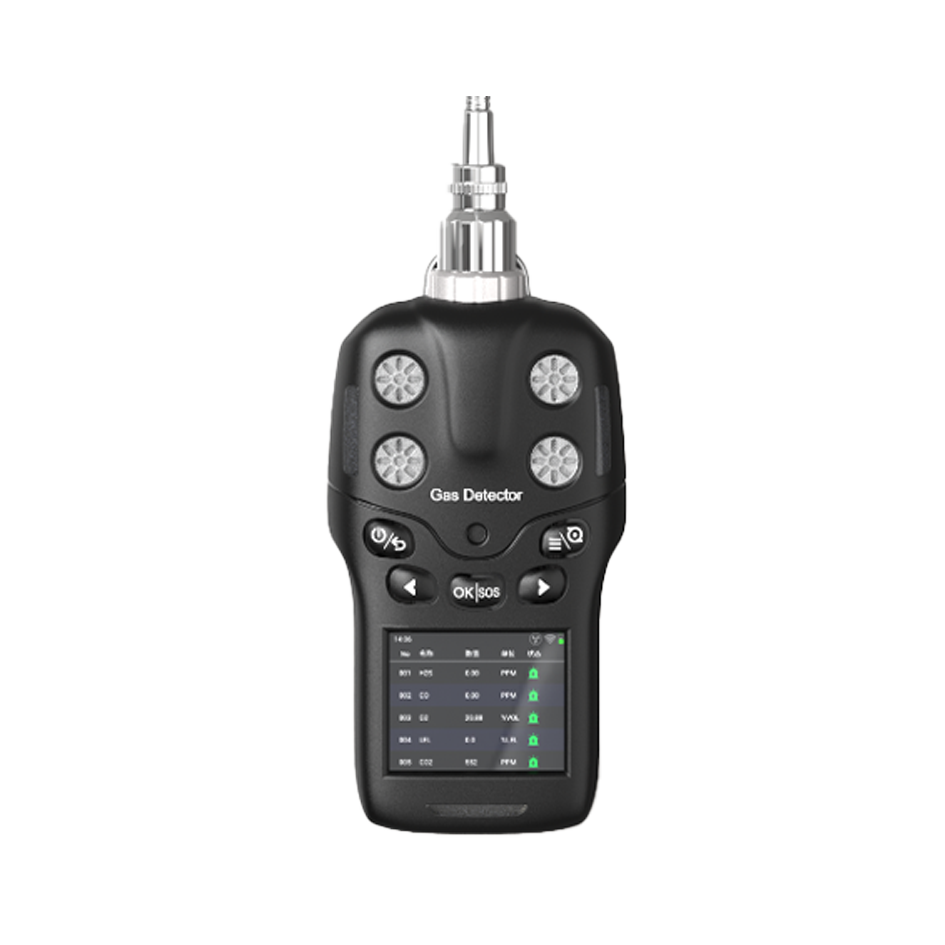
A versatile industrial gas detector like the Zetron MS400-S is crucial for multi-gas monitoring in complex environments.
Step 1: Identify the Target Gases and Hazards
The first and most crucial step is to conduct a thorough hazard assessment. What gases are present in your facility? The type of gas dictates the sensor technology required.
- Toxic Gases: For gases like carbon monoxide (CO), hydrogen sulfide (H2S), chlorine, or ammonia, you need a toxic gas detector with electrochemical or metal oxide semiconductor (MOS) sensors. A dedicated carbon monoxide detector is mandatory in areas with combustion engines or furnaces.
- Combustible Gases: Methane, propane, and other hydrocarbons require detectors with catalytic bead or infrared (IR) sensors. For long-range, non-contact detection of methane leaks, consider a remote laser methane gas detector.
- Oxygen Deficiency/Enrichment: An oxygen sensor is vital in confined spaces. Both depletion (causing asphyxiation) and enrichment (increasing fire risk) are dangers.
- Specific Contaminants: For environmental monitoring, you might need a radon gas detector for buildings, an ozone detector for areas with electrical equipment or water treatment, or a VOC gas analyzer for monitoring volatile organic compounds in painting booths or chemical storage.
Often, a multi gas detector that combines several sensor types into one unit is the most practical and cost-effective solution for personal safety.
Step 2: Determine the Application and Deployment Type
Where and how will the detector be used? This determines the form factor.
| Type | Best For | Key Considerations |
|---|---|---|
| Portable Gas Detector / Portable Gas Monitor | Personal safety, confined space entry, leak surveys, spot checks. | Battery life, size/weight, durability, data logging, alarm visibility/audibility. |
| Fixed Gas Detector | 24/7 area monitoring around potential leak sources (valves, tanks, process lines). | Sensor lifespan, calibration requirements, output signals (4-20mA, Modbus), compatibility with control systems. |
| Online Gas Detector / Gas Analyzer | Process control, emission monitoring (CEMS), biogas gas analyzer, quality assurance. | High accuracy, sample conditioning systems, maintenance protocols, regulatory compliance. |
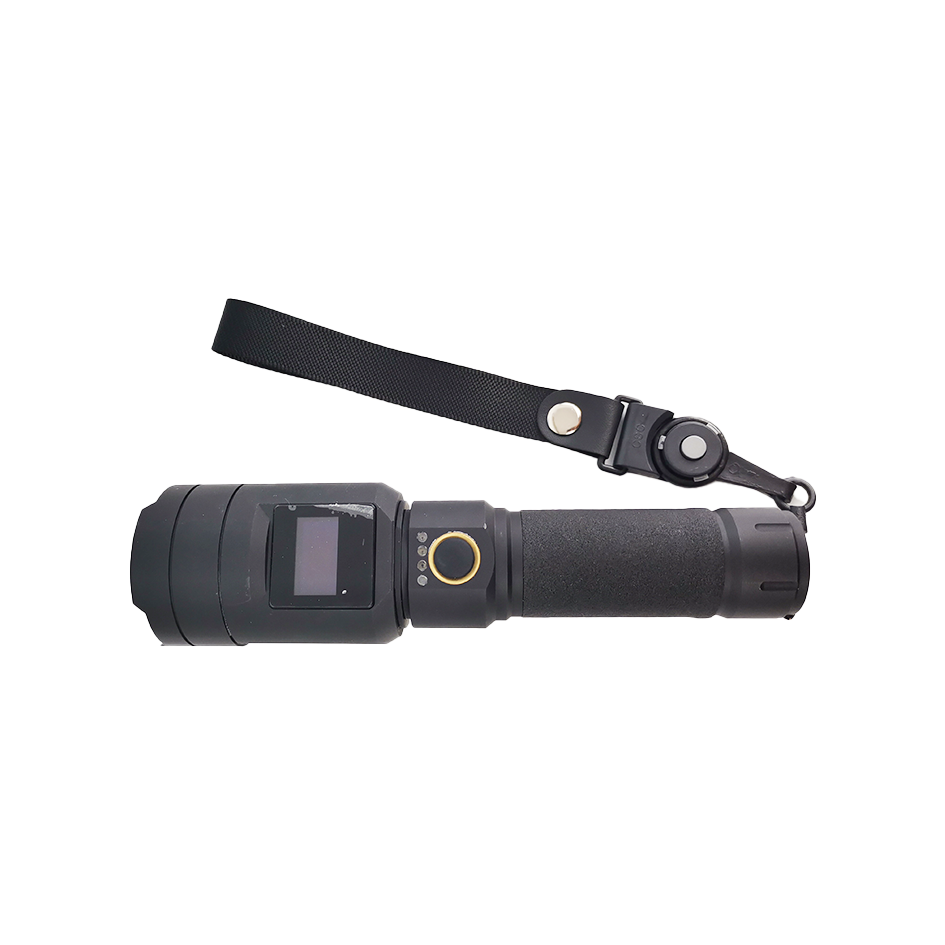
The Zetron MS600-L remote gas detector enables safe, long-distance monitoring of methane leaks.
Step 3: Evaluate Performance and Technical Specifications
Don't just look at the price tag. Dig into the specs that matter for your safety.
- Accuracy & Resolution: High precision (e.g., ±1% F.S.) is critical for toxic gas monitoring and compliance reporting.
- Response Time: A fast response (< 2 seconds) can mean the difference between a warning and an incident. Look for devices with intelligent early warning systems.
- Detection Range: Ensure the device's range covers both the safe exposure limits (PEL, TLV) and the lower explosive limits (LEL) for combustible gases.
- Environmental Rating: For harsh industrial environments, an industrial gas detector with a high IP rating (like IP68 for dust/water resistance) and appropriate ATEX/IECEx certification for hazardous areas is non-negotiable.
Step 4: Consider Connectivity and Data Management
Modern safety is connected safety. The ability to gather and analyze data transforms a gas monitor from a simple alarm into a powerful safety management tool.
- Wireless Connectivity: Features like 4G, NB-IoT, Wi-Fi, or Bluetooth allow for real-time data transmission to a central gas monitoring cloud platform. This enables remote monitoring, instant alerts, and historical trend analysis.
- Interconnectivity: Some systems, like those offered by Zetron, allow devices to create a wireless mesh network. If one worker's portable gas detector alarms, all connected personnel are instantly alerted with the precise location, enabling a faster group response.
- Data Logging: Essential for compliance audits, incident investigation, and exposure tracking.
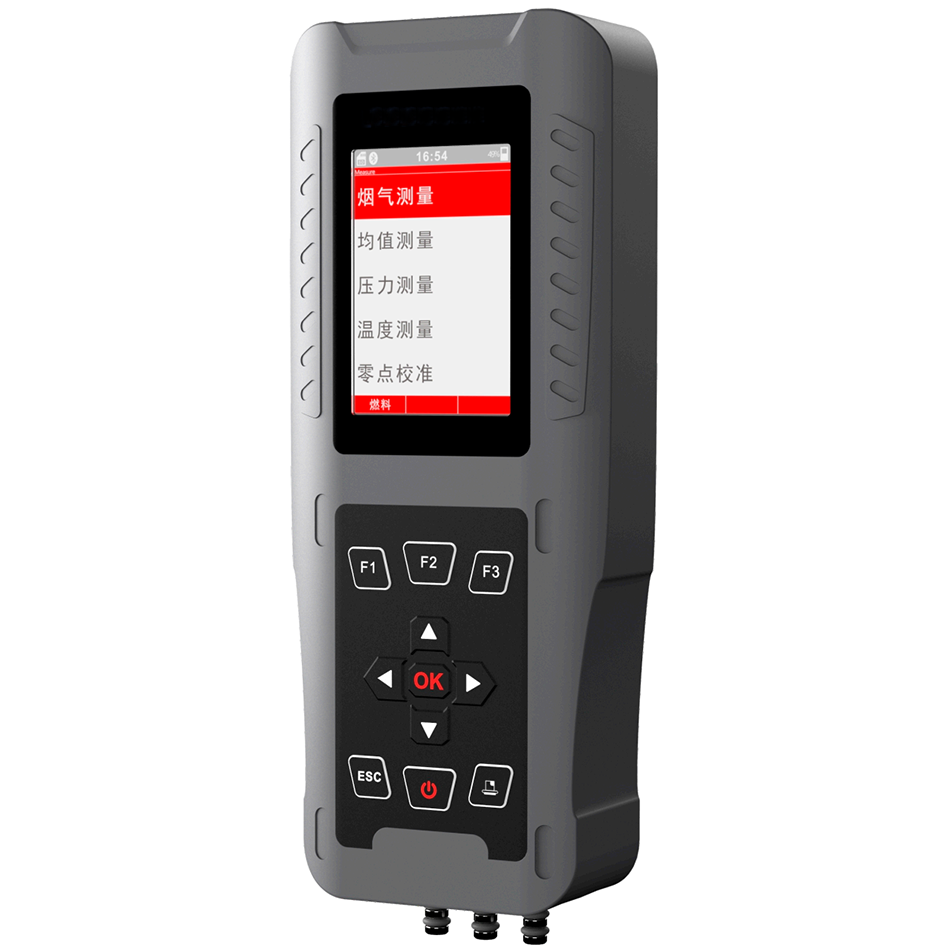
An intelligent flue gas analyzer is key for optimizing combustion efficiency and ensuring stack emission compliance.
Step 5: Assess Reliability and Manufacturer Support
Your gas detection system is a lifeline. Its reliability is paramount.
- Certifications: Look for international certifications that validate quality and safety. Reputable manufacturers like Zetron hold CE, ATEX, SIL2, and ISO 9001 certifications, which are not just badges but assurances of rigorous design and production standards.
- Sensor Life & Calibration: Understand the expected lifespan of sensors and the calibration frequency required. Some advanced sensors offer longer stability, reducing total cost of ownership.
- After-Sales Service: Does the supplier offer calibration services, technical support, and readily available spare parts? A provider with a strong track record, like Zetron with its nearly 20 years in the field, is more likely to offer dependable long-term support.
- Customization: For unique applications, does the manufacturer offer OEM/ODM services? A true "one-stop industrial testing equipment solution provider" should be able to tailor solutions from needs diagnosis to final implementation.
Why Zetron Stands Out as Your Gas Detection Partner
When navigating this complex selection process, partnering with an experienced and technologically adept manufacturer simplifies everything. Beijing Zetron Technology Co., Ltd., with its brand Zetron, has been a dedicated force in the gas detection field for nearly two decades.
Zetron's product philosophy centers on integrating high performance with robust connectivity. Their devices feature IP68 protection, sub-2-second response times, and precision within 1% F.S. More importantly, their systems are designed for the modern, connected industrial site. With wireless interconnectivity between devices and cloud platforms, they enable features like real-time location tracking, group alerts, and centralized data management on their environmental safety monitoring cloud platform.
Their comprehensive portfolio means they can meet virtually any need:
- For personal and area monitoring: Portable gas detectors, fixed gas detectors, and multi gas detectors.
- For environmental and process analysis: Flue gas analyzers, VOC gas analyzers, photoionization detectors (PIDs) for VOCs, emission gas analyzers, and online air quality monitoring stations.
- For specialized leak detection: Remote laser methane gas detectors (ZW-G100, ZW-G200).
This breadth, backed by international certifications including ATEX, SIL2, and ISO 9001, allows Zetron to serve a wide array of industries—from petrochemical and biopharmaceuticals to waste gas treatment and environmental monitoring—effectively. Their partnerships with global entities like SGS, CEMEX, and COSCO SHIPPING attest to the trust they've built worldwide.

Making Your Final Decision
Choosing the right gas detector is an investment in safety, compliance, and operational continuity. Start with a clear hazard assessment, match the technology to your specific gases and application, demand robust performance and connectivity, and partner with a certified, reliable manufacturer.
For a detailed consultation on configuring a gas detection system for your facility—whether you need a simple co detector alarm or a complex networked industrial gas detector system—reach out to the experts at Zetron. Their team can help you design a solution that not only meets regulations but creates a genuinely safer workplace.
Contact Zetron Today:
Tel: +86-15699785629
Email: info@bjzetron.com
Website: www.zetroncn.com
Address: 19B, Office Tower, Oriental Ginza, No.48 Dongzhimenwai Street, Dongcheng District, Beijing, China.
Have Questions or Need More Details?
Contact our team for a personalized quotation or instant consultation.
Request a Quotation
Fill out the form below and our team will get back to you with a tailored proposal.
WhatsApp Direct Chat
Prefer to chat in real-time? Message us on WhatsApp for instant assistance & quick answers.
- Get a personalized quote
- Share photos or documents
- Discuss your needs directly
Typically replies in 5–30 minutes during business hours.