How to Choose the Right Gas Detector for Your Industrial Application: A Comprehensive Buyer's Guide
Navigating the Complex World of Industrial Gas Detection
In today's industrial landscape, ensuring workplace safety and environmental compliance is non-negotiable. The global push for stricter emission controls and worker safety protocols, highlighted by recent regulatory updates in regions like the EU and North America, has made selecting the correct gas detector more critical than ever. Whether you're monitoring for a carbon monoxide detector in a boiler room, a radon gas detector in a basement, or a complex multi gas detector in a chemical plant, the wrong choice can lead to catastrophic safety failures, regulatory fines, and operational downtime. This guide will walk you through the essential steps to select the optimal gas detection solution for your specific needs.
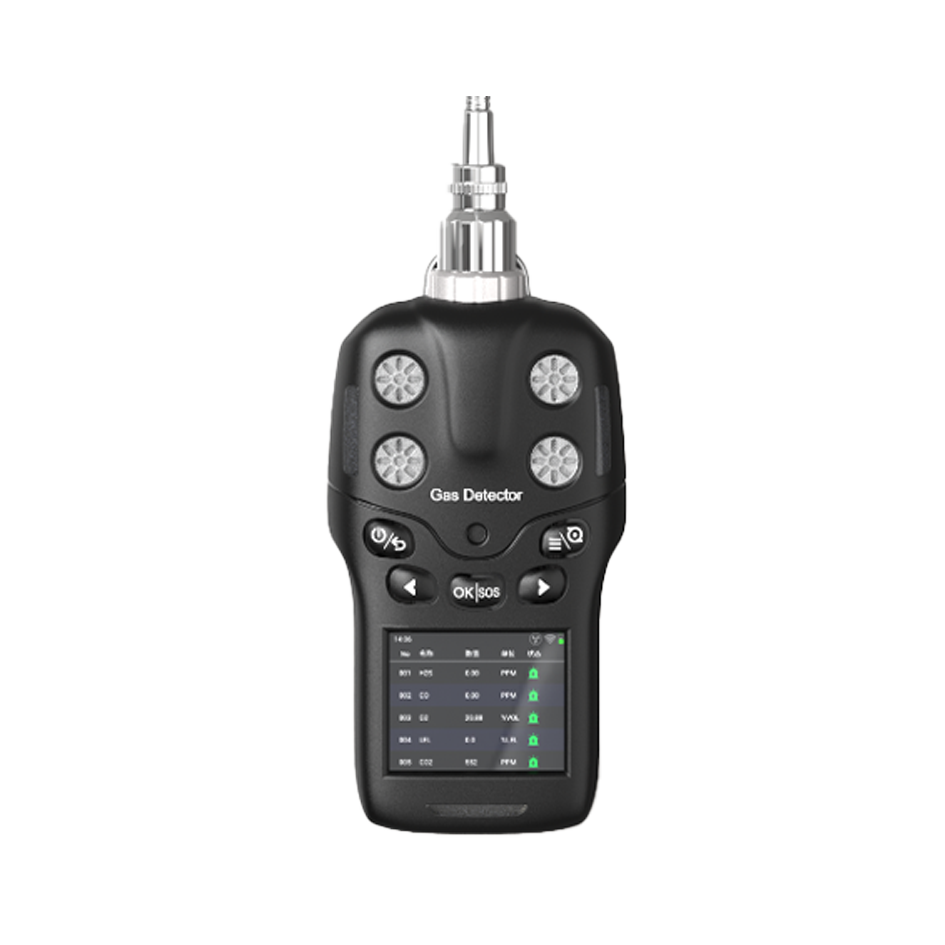
Figure: The MS400-S Gas Detector from Zetron, designed for robust industrial and environmental monitoring with advanced sensor technology.
Step 1: Pre-Purchase Assessment: Defining Your Needs
Before browsing products, conduct a thorough hazard and operational assessment.
- Identify Target Gases: List all gases present. Common categories include:
- Toxic Gases: Carbon Monoxide (CO), Hydrogen Sulfide (H2S), Ammonia (NH3), Chlorine (Cl2). A toxic gas detector is essential here.
- Combustible Gases: Methane (CH4), Propane, Hydrogen. A standard gas leak detector often focuses on these.
- Oxygen (O2) Deficiency/Enrichment: Critical in confined spaces.
- Specific Compounds: For VOC gas analyzer needs, ozone detector for sterilization areas, or radon gas detector for soil and building surveys.
- Determine the Application Environment:
- Fixed vs. Portable: Do you need continuous area monitoring (fixed gas detector/online gas detector) or personal/spot-check equipment (portable gas detector/portable gas monitor)?
- Industrial Setting: Consider factors like temperature, humidity, potential for explosive atmospheres (requiring ATEX certification), and interference from other gases.
- Define Performance Requirements: Required range, resolution (e.g., 1% F.S. for high precision), and response time (critical for fast-acting toxins).
Step 2: Understanding Detector Types and Technologies
Different sensors are suited for different gases. Your choice impacts accuracy, longevity, and cost.
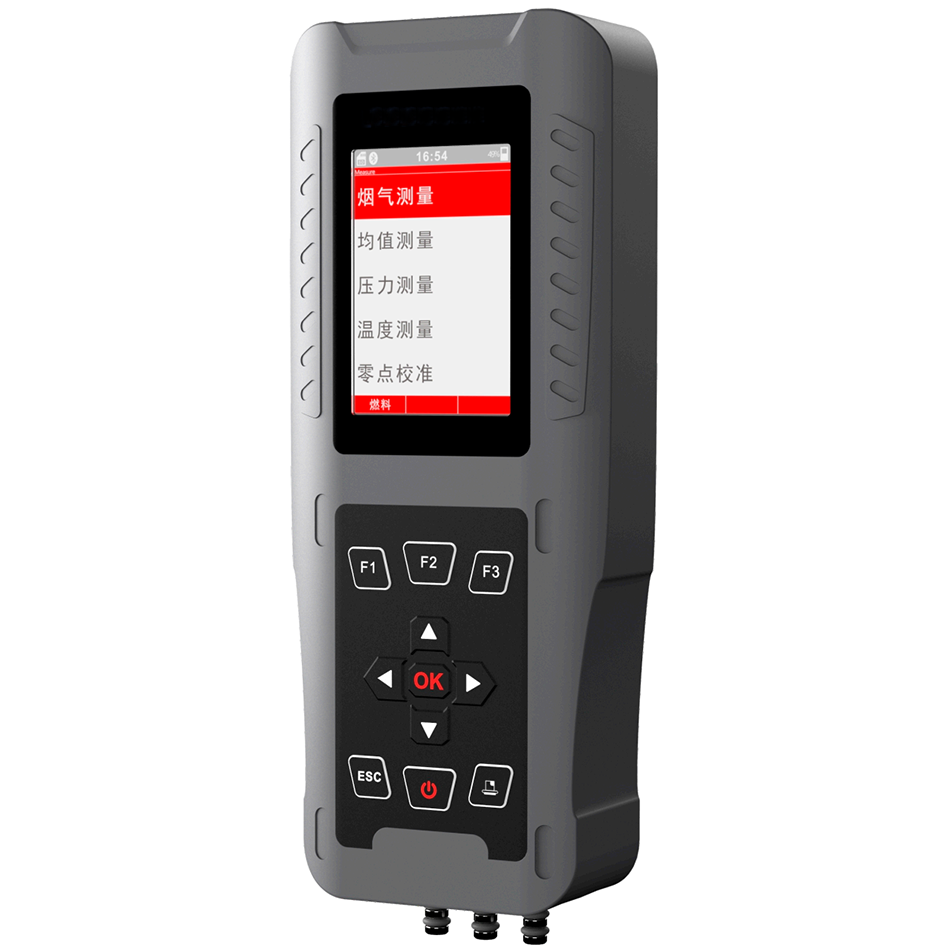
Figure: The MS700-FG Intelligent Portable Flue Gas Analyzer, perfect for emission compliance testing.
- Electrochemical Sensors: Best for toxic gas detector applications (CO, H2S). They offer good specificity and sensitivity.
- Catalytic Bead/Pellistor Sensors: Traditional method for combustible gas detection. Rugged but can be poisoned.
- Infrared (IR) Sensors: Excellent for CO2 and hydrocarbons. Immune to poisoning, ideal for biogas gas analyzer applications.
- Photoionization Detectors (PID): The core of a VOC gas analyzer. They detect a wide range of volatile organic compounds at low levels.
- Laser-Based & Tunable Diode Laser (TDLAS): Advanced technology for remote, selective, and highly sensitive detection. Ideal for methane leak surveys (see Zetron's ZW-G100 Laser Gas Detector and MS600-L Remote Gas Detector).
- Metal Oxide Semiconductor (MOS) Sensors: Often used in residential co detector alarm units and some portable gas monitor models.
Step 3: Key Features and Specifications to Compare
Once you know the technology, compare these critical specs across brands like Zetron and others.
- Certifications & Safety Approvals: This is paramount. Look for:
- ATEX/IECEx: For use in explosive atmospheres.
- SIL (Safety Integrity Level): Indicates the probability of failure on demand. Zetron's products hold SIL2 certification.
- CE, RoHS, FCC: Basic market access certifications.
- Quality Management: ISO9001 certification of the manufacturer ensures consistent quality.
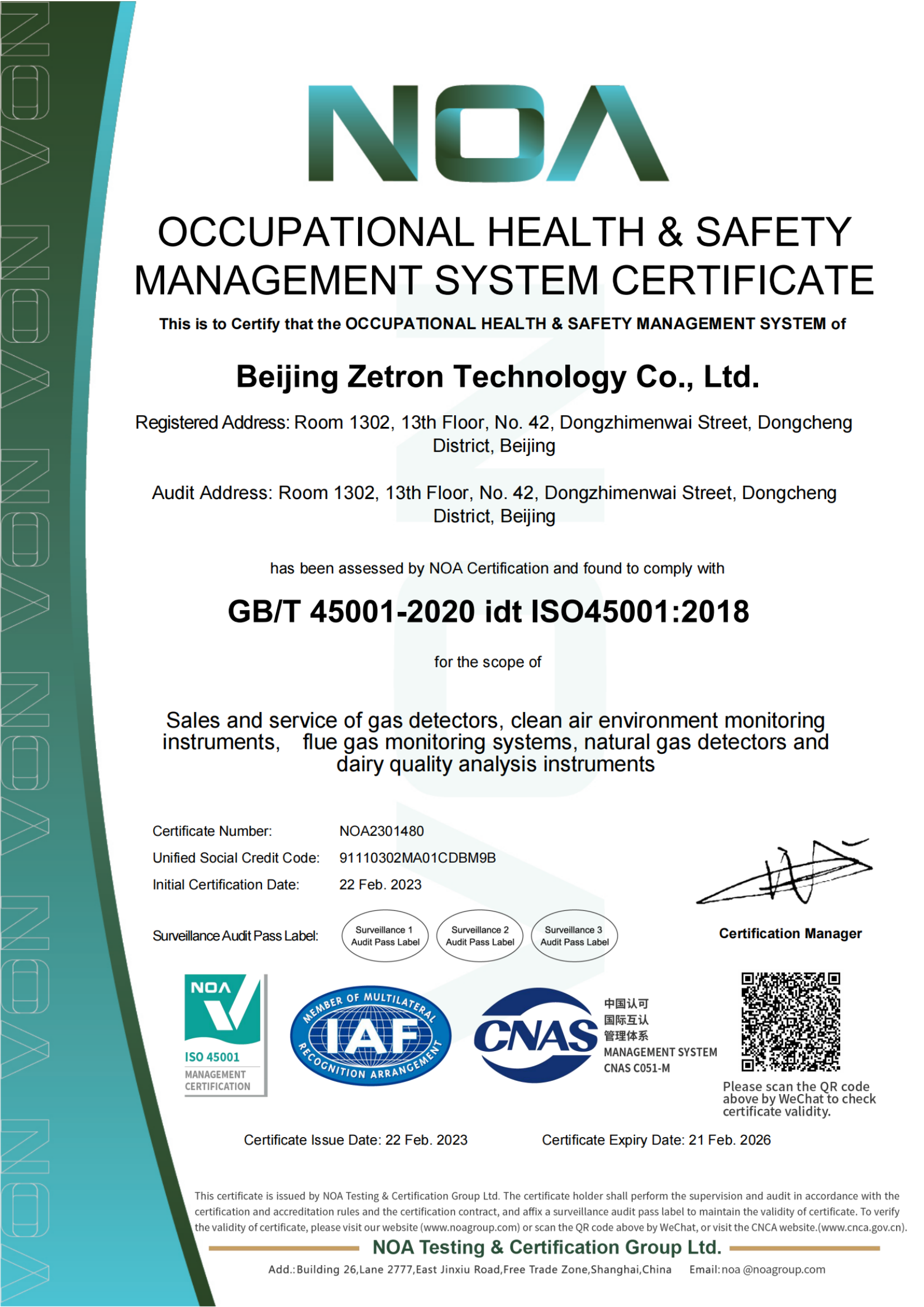
Zetron's ISO45001 Occupational Health and Safety Management System certification.
- Durability & Environmental Rating: An IP68 rating (like many Zetron detectors) guarantees dust-tight and waterproof operation, crucial for harsh industrial or outdoor settings.
- Connectivity & Data Management: Modern gas monitors offer 4G, NB-IoT, Wi-Fi, and Bluetooth for wireless data transmission to cloud platforms or control rooms. Features like real-time location tracking and multi-device interconnection for group safety are advanced benefits.
- Alarm Systems: A loud, visible gas detector alarm is essential. Look for devices with multiple alarm levels and remote notification capabilities.
- Power Source & Battery Life: Critical for portable gas detector units. Long battery life with clear remaining power indicators is a must.
Step 4: Matching Solutions to Your Industry
Here’s how to align detector types with common applications:
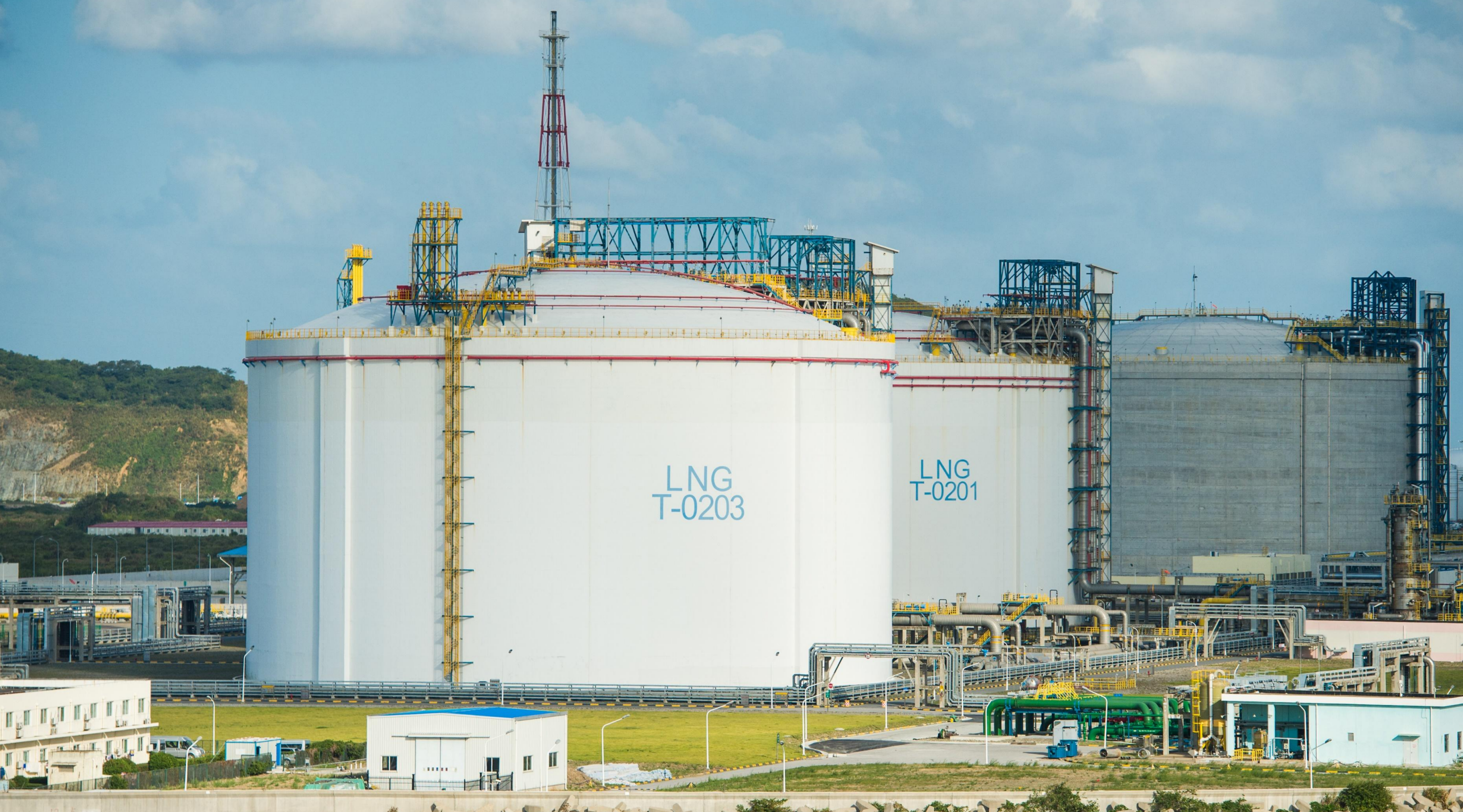
- Petrochemical & Chemical Plants: Requires a combination of fixed gas detectors for area monitoring (H2, H2S, LEL) and portable multi gas detectors for confined space entry and leak investigation. Zetron provides robust solutions here, with devices featuring ATEX certification and fast response times (<0.8 seconds).
- Environmental Monitoring & Waste Gas Treatment: Flue gas analyzers (like Zetron's MS700-FG) and emission gas analyzers are key for compliance. Online gas detectors and miniature air monitoring stations (e.g., Zetron's Th2000A-Aqi) are used for ambient air quality.
- Biopharmaceuticals & Laboratories: Focus on oxygen detector for inert storage, VOC gas analyzers with photoionization detector (PID) sensors for solvent monitoring, and ozone detectors for sterilization room safety.
- Utilities & Public Safety: For natural gas leak surveys, a remote laser methane gas detector like Zetron's ZW-G200 offers efficient, long-range detection without the need for direct contact.
Step 5: Considering the Total Cost of Ownership (TCO)
Look beyond the initial purchase price. The TCO includes:
- Sensor Replacement Costs & Calibration Frequency: Some sensors last 2-3 years, others may last longer. Factor in calibration gas and service contracts.
- Warranty & After-Sales Support: A global supplier with strong technical support is invaluable. Beijing Zetron Technology Co., Ltd. offers comprehensive support, from installation guidance to maintenance.
- Integration Costs: Can the device easily integrate into your existing safety system or cloud platform? Zetron's devices support wireless connectivity for seamless integration.
- Training Requirements: Ensure the supplier provides adequate operational training.
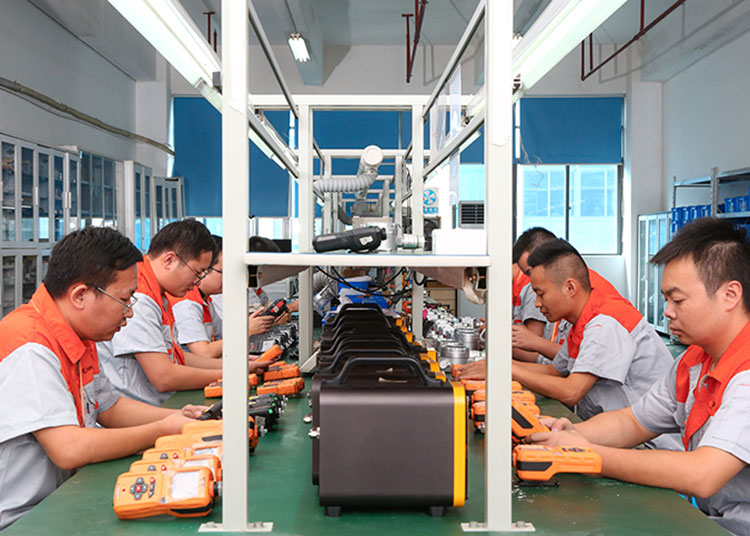
Precision assembly in Zetron's production facility, ensuring high-quality manufacturing standards.
Why Zetron Stands Out as Your One-Stop Solution Provider
With nearly 20 years of specialization in gas detection, Zetron has positioned itself as a trusted "one-stop industrial testing equipment solution provider." Their approach simplifies the selection process:
- Complete Product Portfolio: From personal portable gas monitors (PTM600 series) to fixed online gas detector systems (MIC600 series), flue gas analyzers, and advanced laser detectors, they cover virtually every need.
- Proven Technology & Certifications: Devices boast high precision (1% F.S.), fast response, IP68 protection, and carry crucial international certifications like CE, ATEX, SIL2, and ISO9001.
- Customization & OEM/ODM Services: They offer full-chain customization, from needs diagnosis to solution design and product realization, ensuring a perfect fit for unique applications.
- Global Support Network: With partners like SGS India, CEMEX, and COSCO SHIPPING, Zetron demonstrates its capability to serve international clients reliably.
For a detailed consultation on selecting the right gas detector, carbon monoxide detector, VOC gas analyzer, or any other safety monitoring device, contact the experts at Zetron.
Beijing Zetron Technology Co., Ltd.
Tel: +86-15699785629
Email: info@bjzetron.com
Website: www.zetroncn.com
Address: 19B, Office Tower, Oriental Ginza, No.48 Dongzhimenwai Street, Dongcheng District, Beijing, China.
Choosing the right detection equipment is an investment in safety, compliance, and operational continuity. By following this structured guide and partnering with an experienced provider like Zetron, you can secure your facilities and protect your personnel effectively.
Have Questions or Need More Details?
Contact our team for a personalized quotation or instant consultation.
Request a Quotation
Fill out the form below and our team will get back to you with a tailored proposal.
WhatsApp Direct Chat
Prefer to chat in real-time? Message us on WhatsApp for instant assistance & quick answers.
- Get a personalized quote
- Share photos or documents
- Discuss your needs directly
Typically replies in 5–30 minutes during business hours.