How to Choose the Right Gas Detector for Your Industrial Facility: A Comprehensive Buyer's Guide
Navigating the Complex World of Industrial Gas Detection
In today's industrial landscape, ensuring workplace safety and environmental compliance is non-negotiable. The global push for stricter environmental regulations and enhanced worker safety protocols has made selecting the correct gas detector a critical decision for facility managers, safety officers, and procurement specialists. Whether you're monitoring for a potential gas leak, ensuring air quality, or analyzing emissions, the right equipment is your first line of defense. This guide will walk you through the essential steps to choose the perfect gas detector for your specific needs, highlighting the advanced solutions from industry leader Zetron.
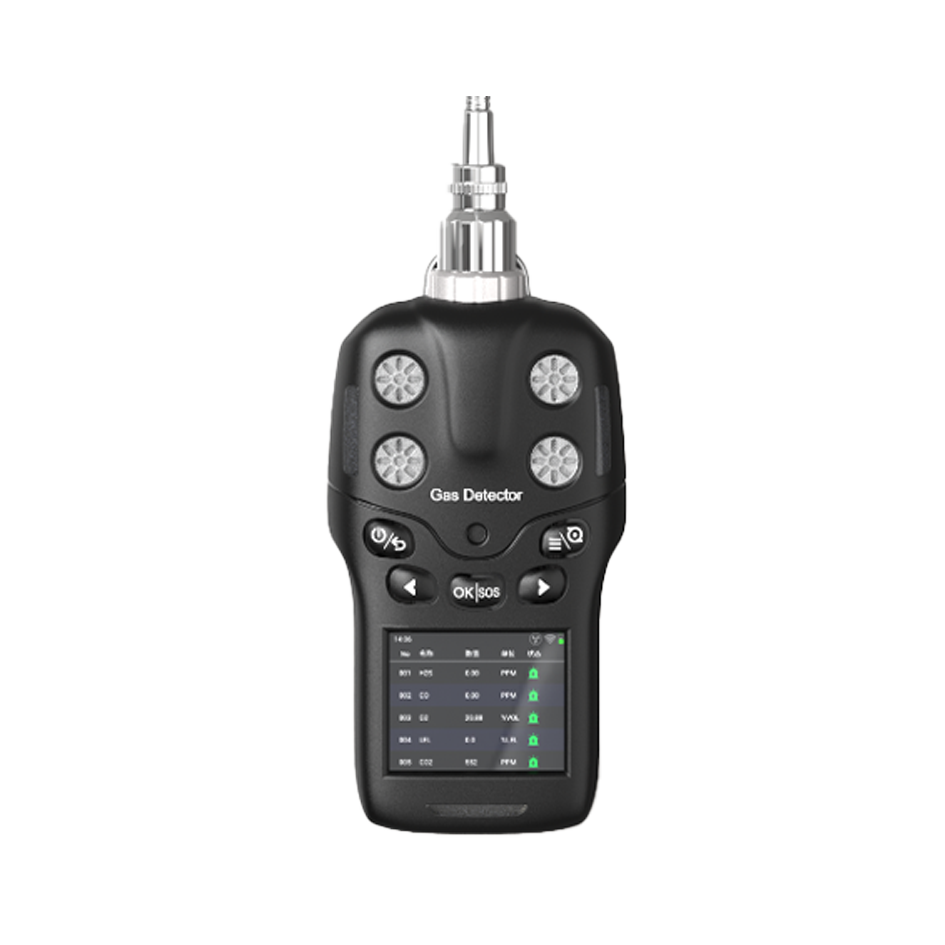
Zetron's MS400-S series represents a versatile solution for multi-gas monitoring in challenging industrial environments.
Step 1: Identify the Target Gases and Hazards
The first and most crucial step is to conduct a thorough hazard assessment. What gases are present in your facility? The type of detector you need depends entirely on the answer.
- Toxic Gases: For substances like carbon monoxide (CO), hydrogen sulfide (H2S), chlorine, or ammonia, you need a dedicated toxic gas detector or a multi gas detector configured for these specific compounds. A reliable carbon monoxide detector is essential in combustion-related areas.
- Combustible Gases: Methane, propane, and other hydrocarbons require detectors with combustible (LEL) sensors. For long-range, non-contact monitoring of methane leaks, consider a remote laser methane gas detector like the Zetron MS600-L.
- Oxygen Deficiency/Enrichment: Confined spaces often risk oxygen displacement. An oxygen sensor is a standard component in most portable gas monitors.
- Volatile Organic Compounds (VOCs): For monitoring solvents, fuels, and other organic vapors, a detector equipped with a photoionization detector (PID) sensor is ideal. This is crucial for VOC gas analyzer applications in painting booths, chemical storage, and pharmaceutical labs.
- Specialized Gases: For radon in basements or soil, a specific radon gas detector is needed. For monitoring ozone levels near equipment like photocopiers or in water treatment, an ozone detector is necessary.
Companies like Beijing Zetron Technology Co., Ltd. offer a comprehensive portfolio, from simple co detector alarm units to sophisticated multi gas detector systems capable of monitoring 4-6 gases simultaneously.
Step 2: Determine the Deployment Type: Portable vs. Fixed
Your operational needs dictate whether you require mobility or continuous area monitoring.
Portable Gas Detectors
Ideal for personal safety, leak investigation, confined space entry, and environmental surveys. A portable gas monitor is worn by personnel to provide real-time exposure data. Look for features like:
- Rugged, intrinsically safe design (ATEX certification for hazardous areas).
- Long battery life and clear visual/audible gas detector alarm.
- Data logging for compliance reporting.
- Wireless connectivity (Bluetooth) for real-time data streaming to a safety supervisor.
Zetron's PTM600 series, including models for ozone and air pollution, are excellent examples of advanced portable gas detector technology.
Fixed Gas Detectors
Used for 24/7 monitoring of specific locations where gas leaks are likely, such as near valves, tanks, or process lines. An industrial gas detector of this type is hardwired into a central control system.
- Provides continuous protection for unattended areas.
- Can trigger automatic mitigation systems (ventilation, shutdown).
- Often part of an online gas detector network feeding data to a SCADA or cloud platform.
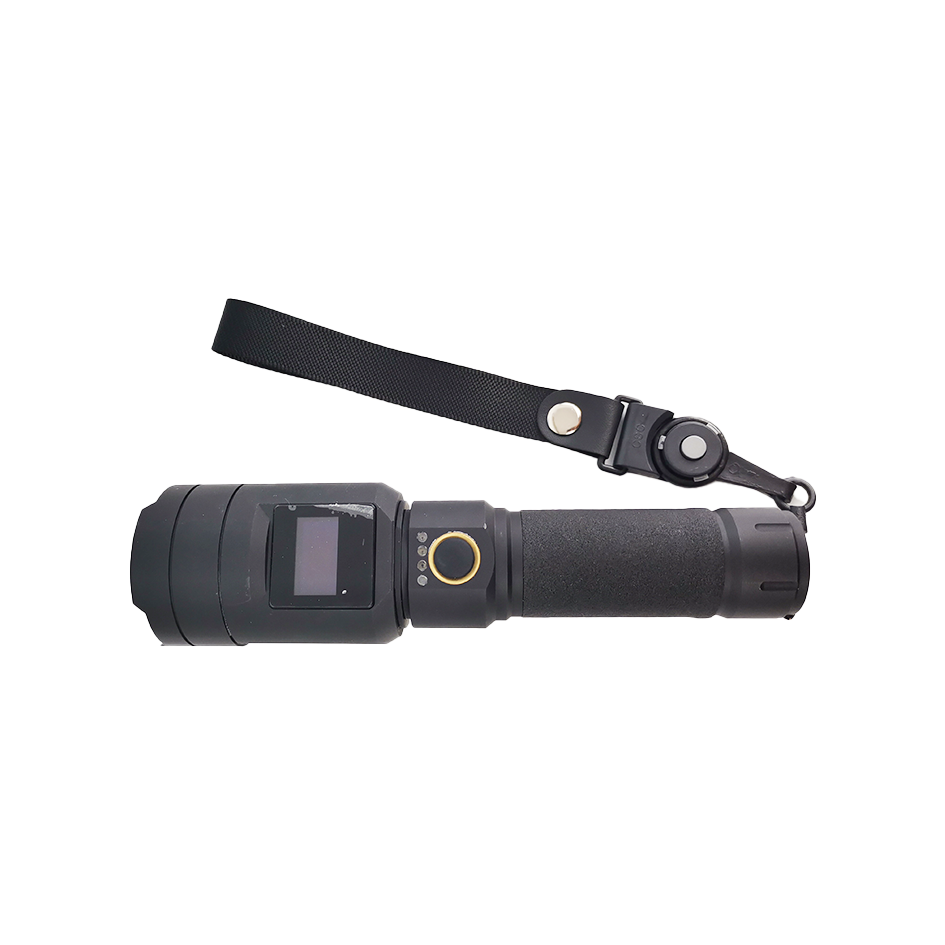
Zetron's MIC600-Aqi fixed station and ZW-G200 laser detector are designed for such permanent, reliable installation.
Step 3: Consider the Environment and Required Specifications
The detector must survive and perform accurately in your facility's conditions.
- Environmental Rating: For outdoor use or harsh indoor environments (dust, moisture), an IP66 or IP67 rating is standard. Zetron emphasizes robust build quality, with many models featuring high ingress protection.
- Sensor Technology: Electrochemical sensors are common for toxic gases, catalytic bead or infrared for combustibles, and PID for VOCs. Laser-based detectors, like Zetron's offerings, provide superior sensitivity and range for methane without direct contact.
- Response Time: In life-critical situations, every second counts. High-performance detectors have a T90 (time to 90% of reading) of less than 30 seconds for most gases. Zetron's advanced sensors aim for fast response to ensure prompt alarm activation.
- Accuracy & Calibration: Ensure the device meets the required accuracy for your compliance needs (e.g., ±5% of reading). Easy field calibration is a significant advantage.
Step 4: Evaluate Connectivity and Data Management
Modern gas monitors are more than just alarms; they are data hubs. The ability to collect, transmit, and analyze data is key for predictive maintenance and regulatory reporting.
- Wireless Options: 4G, NB-IoT, Wi-Fi, and Bluetooth allow portable gas monitors and fixed gas detectors to connect to central systems or cloud platforms like Zetron's environmental safety monitoring gas cloud platform.
- Interconnectivity: Some systems allow detectors to "talk" to each other. If one worker's unit alarms, all nearby units can also alert, enhancing group safety—a feature highlighted in Zetron's product capabilities.
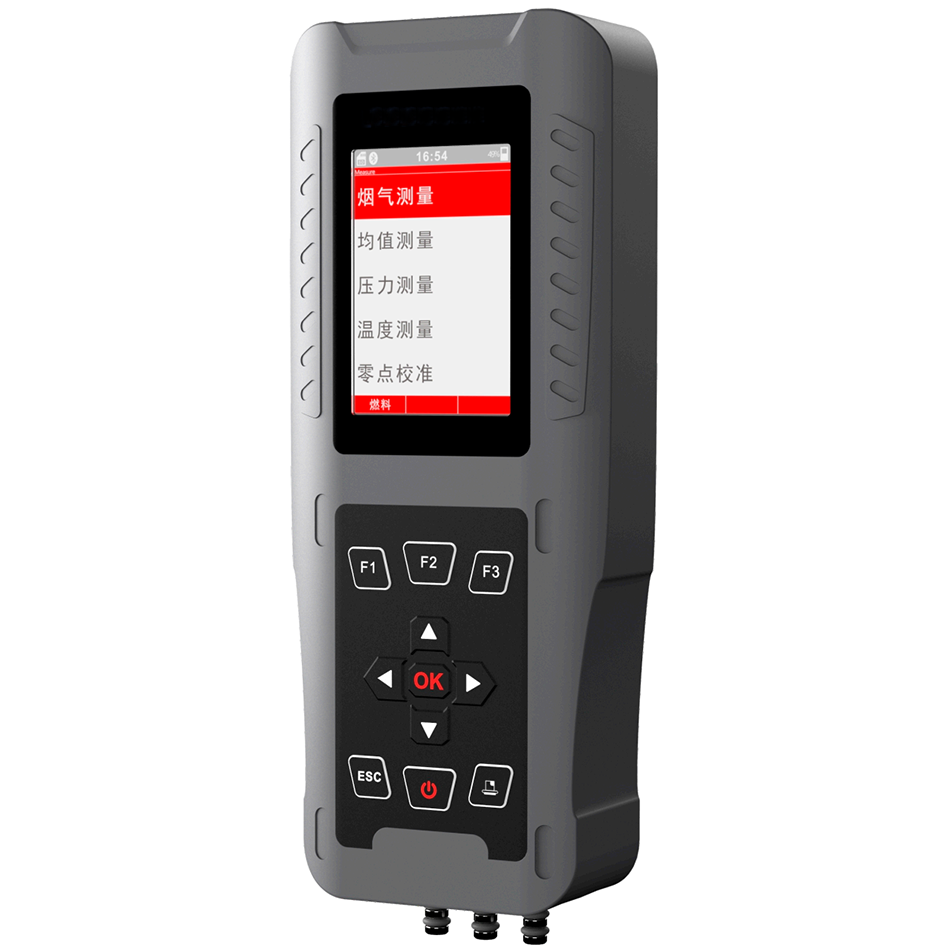
- Analyzers vs. Detectors: For precise measurement and analysis of gas composition—such as in stack emissions (flue gas analyzer), engine exhaust (emission gas analyzer), or biogas gas analyzer applications—you need a more sophisticated analyzer like the Zetron MS700-FG, not just a threshold alarm detector.
Step 5: Verify Certifications and Manufacturer Support
This step separates reputable suppliers from the rest. Never compromise on certifications and after-sales support.
- International Certifications: Look for CE, ATEX, IECEx, SIL (Safety Integrity Level), and UL certifications relevant to your region and industry. These are not just stickers; they represent rigorous third-party testing.
- Quality Management: A manufacturer with ISO 9001 certification demonstrates a commitment to consistent quality in production.
Beijing Zetron Technology Co., Ltd. stands out in this regard. With nearly 20 years of focus on gas detection, Zetron holds a suite of critical certifications that assure product reliability and safety:
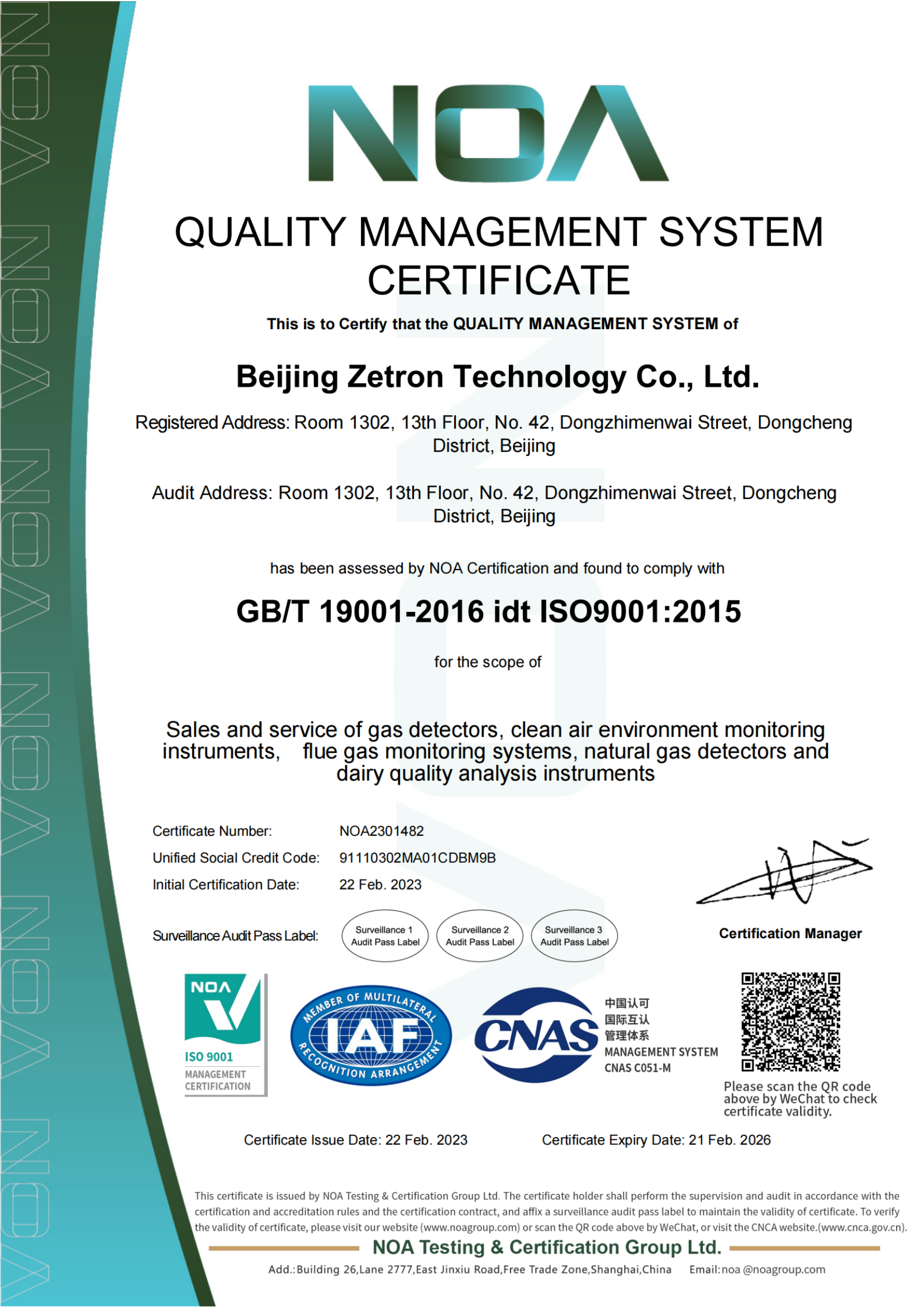
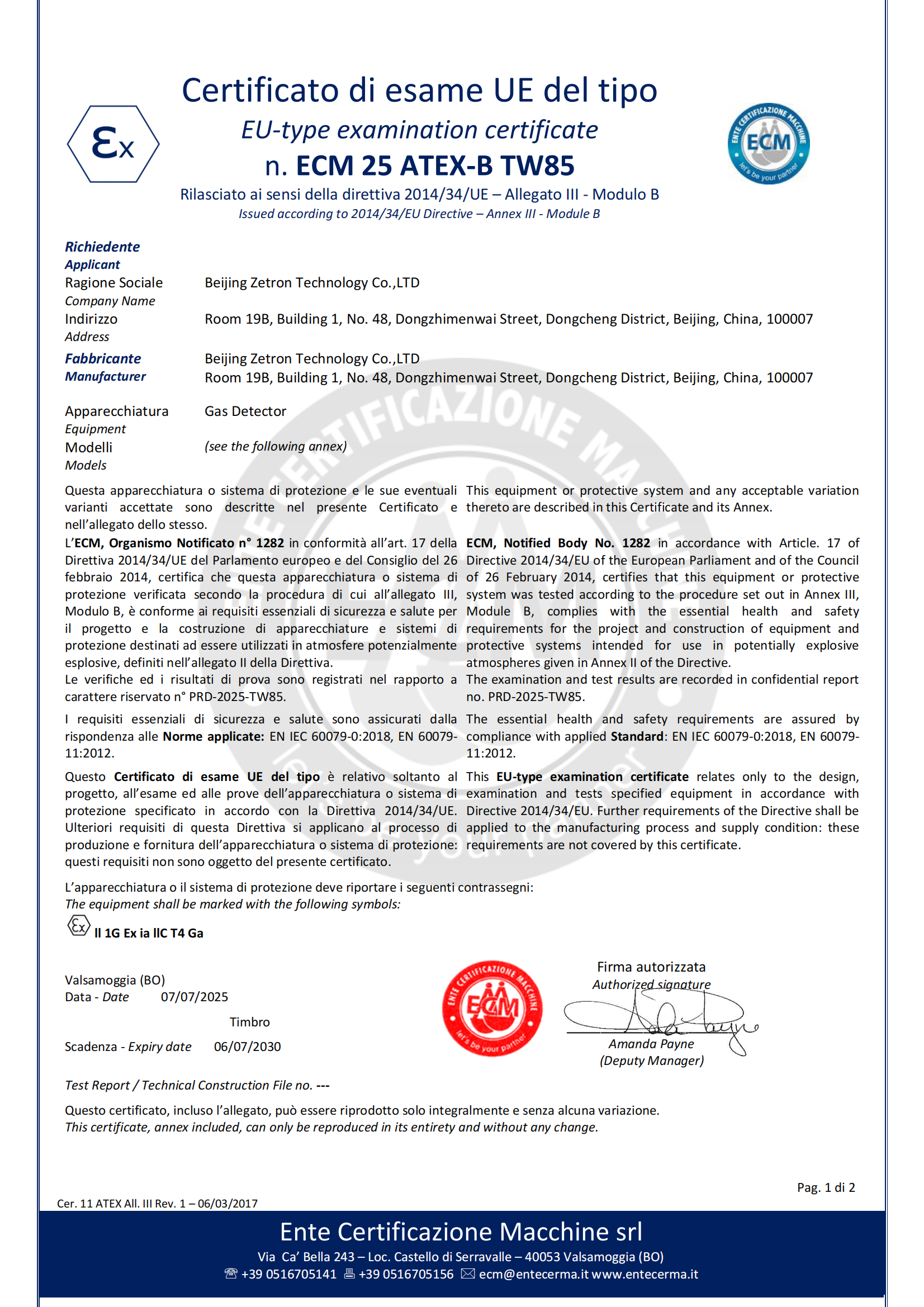
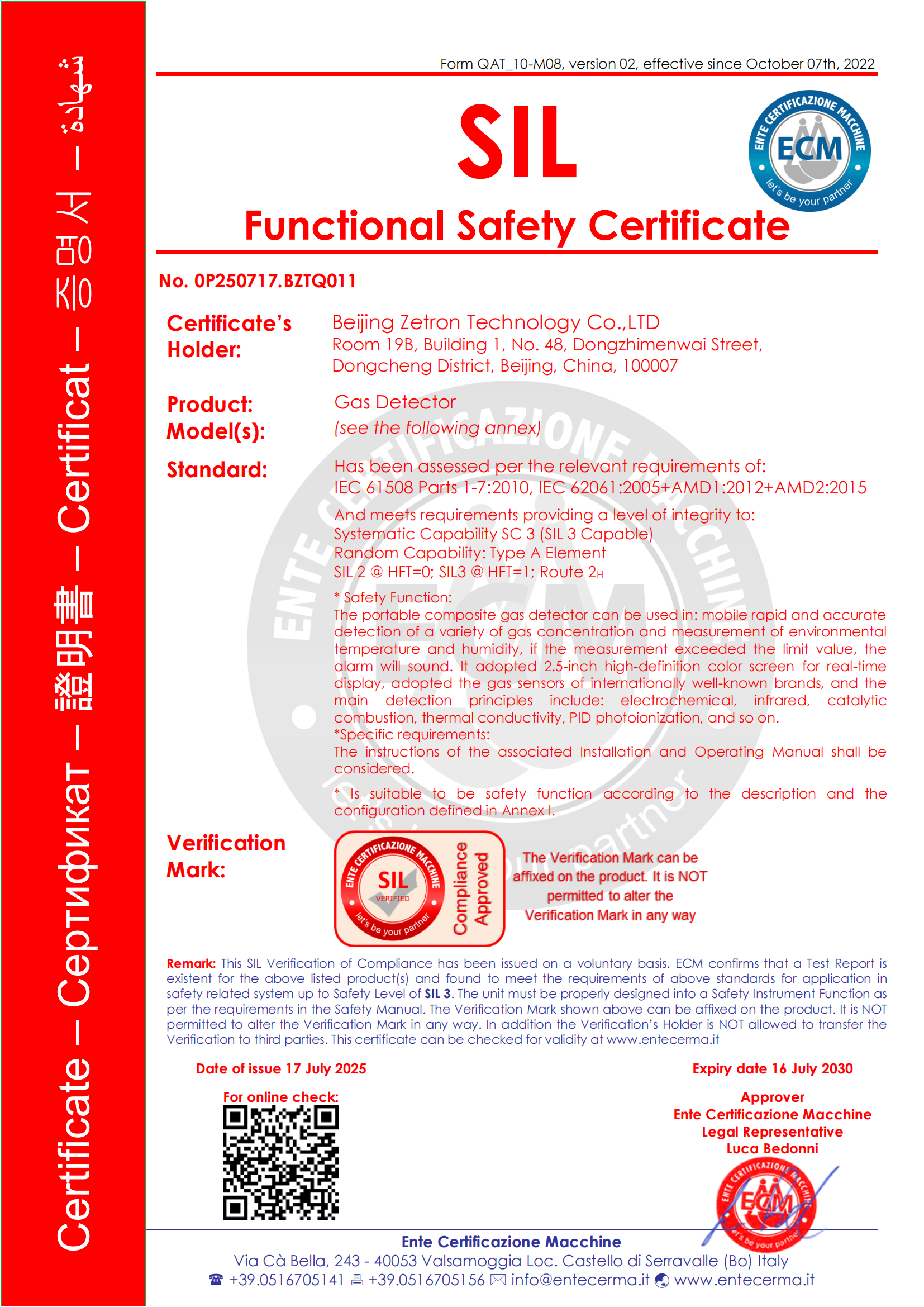
These credentials, including ISO 45001 for occupational health and safety, mean that Zetron's gas detection equipment is built to international standards, providing peace of mind for global clients in petrochemical, biopharmaceutical, and environmental monitoring sectors.
Step 6: Partner with a Solution Provider, Not Just a Seller
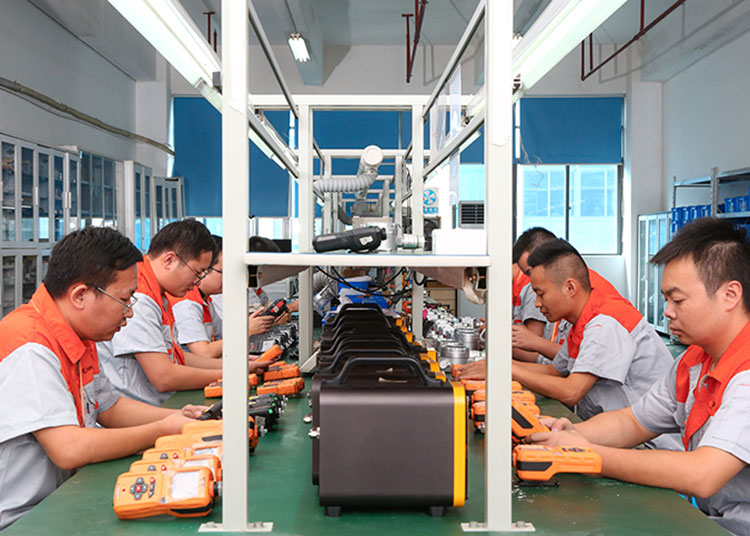
The best choice is a manufacturer that understands your holistic needs. Zetron positions itself as a "one-stop industrial testing equipment solution provider." This means they offer more than products:
- Full-Chain Customization (OEM/ODM): From needs diagnosis to solution design, product realization, and maintenance.
- Comprehensive Product Line: Whether you need a simple gas detector alarm, a complex online monitoring system, or a miniature air monitoring station, they have a compatible solution.
- Proven Track Record: Partnerships with organizations like SGS India, CEMEX, and NISSAN testify to the reliability and performance of Zetron equipment in demanding field conditions.
Making Your Final Decision
Choosing the right gas detector involves balancing technical specifications, environmental demands, compliance requirements, and budgetary constraints. By following this structured approach—identifying hazards, selecting the deployment type, checking specs and connectivity, and verifying manufacturer credentials—you can make an informed decision that safeguards your people, your assets, and the environment.
For facilities requiring robust, certified, and connected gas safety solutions, exploring the Zetron portfolio is a prudent step. Their integration of wireless technology, cloud data management, and a wide range of detectors—from portable to fixed, from single-gas to multi-gas analyzers—provides a scalable path to comprehensive air safety.
Ready to enhance your facility's gas safety strategy? Contact the experts at Zetron to discuss your specific application in petrochemical, waste gas treatment, or any industrial setting.
Beijing Zetron Technology Co., Ltd.
Website: www.zetroncn.com
Email: info@bjzetron.com
Tel: +86-15699785629
Address: 19B, Office Tower, Oriental Ginza, No.48 Dongzhimenwai Street, Dongcheng District, Beijing, China.
Have Questions or Need More Details?
Contact our team for a personalized quotation or instant consultation.
Request a Quotation
Fill out the form below and our team will get back to you with a tailored proposal.
WhatsApp Direct Chat
Prefer to chat in real-time? Message us on WhatsApp for instant assistance & quick answers.
- Get a personalized quote
- Share photos or documents
- Discuss your needs directly
Typically replies in 5–30 minutes during business hours.