
The 2026 Buyer’s Guide to Air Particle Counters: How to Select the Right Instrument for Cleanroom, Pharmaceutical, and HAVC Compliance
Introduction
In critical environments such as pharmaceutical cleanrooms, semiconductor fabs, and healthcare facilities, air particle counters are non-negotiable for compliance with ISO 14644, EU GMP Annex 1, and FDA 21 CFR Part 11. Selecting the wrong instrument can lead to failed audits, production downtime, or compromised product quality. This guide provides a structured framework to evaluate airborne particle counters, covering technical specifications, certification requirements, and supplier capabilities—empowering procurement professionals and quality engineers to make informed decisions.
With the global particle counter market projected to exceed $500 million by 2027, the supplier landscape is crowded. Whether you need a handheld particle counter for spot checks, a portable particle counter for routine monitoring, or an online particle counter for real-time cleanroom integrity, understanding the selection criteria is essential.

1. Understanding Air Particle Counter Types and Applications
The first step in procurement is matching the instrument type to your operational need. While all particle counters measure contamination, the form factor and detection technology vary significantly:
| Type | Typical Use Case | Key Features |
|---|---|---|
| Handheld Particle Counter | Spot checks in cleanrooms, HVAC duct testing, filter leak testing | Lightweight, battery-operated, immediate results (e.g., Zetron B110-Pro) |
| Portable Particle Counter | Routine classification per ISO 14644, GMP monitoring | Multiple sample flow rates (2.83 L/min, 28.3 L/min), data storage, printer option |
| Online / Fixed Particle Counter | Continuous cleanroom monitoring, real-time alarm, IoT integration | Remote data access, networking (RS-485, Modbus), low maintenance |
| Laser Particle Counter | High-precision submicron detection (0.1 μm – 25 μm) | Uses laser diode scattering, meets FDA 21 CFR Part 11 compliance |
Application-specific considerations: For pharmaceutical cleanrooms, an optical particle counter with 0.5 μm and 5.0 μm channels per EU GMP is mandatory. For HVAC system validation, a dust particle counter with isokinetic probe is recommended. In laboratory environments, an aerosol particle counter capable of detecting particles down to 0.3 μm provides accurate baseline data.
2. Critical Technical Parameters to Evaluate
When comparing air particle counter proposals, procurement professionals must verify the following specifications against their application requirements:
- Particle size channels: Minimum 0.3 μm to 25.0 μm coverage. For ISO Class 5 or better cleanrooms, 0.1 μm sensitivity (submicron) is often required.
- Sampling flow rate: Standard 2.83 L/min (0.1 CFM) for ISO classification; 28.3 L/min (1 CFM) for more representative sampling per ISO 14644-1.
- Laser source: High-quality laser diode with long lifespan (≥10,000 hours) and stable output.
- Data integrity: Supports 21 CFR Part 11 electronic signatures, audit trail, and secure data export.
- Environmental tolerance: Temperature (10–40°C), humidity (20–95% RH non-condensing), and pressure compensation for altitude.
- Connectivity: Wired (Ethernet, RS-485) or wireless (Wi-Fi, IoT) for real-time particle counter integration with building management systems.
- Alarm and notification: Configurable threshold alarms for immediate contamination events.
Additionally, verify that the device comes with a calibration certificate traceable to national standards (e.g., NIST, CNAS). Many leading suppliers such as Beijing Zetron Technology Co., Ltd. (Zetron) provide ISO 17025 accredited calibration as part of their service.
3. Certification and Compliance: Non-Negotiable for Regulated Industries
For buyers in pharmaceuticals, biotechnology, and medical devices, the particle counter must comply with both the instrument’s own certification and the user’s regulatory framework. Key certifications to look for include:
- ISO 9001:2015 – Quality management system for consistent manufacturing.
- CE – European conformity for safety and electromagnetic compatibility.
- RoHS – Restriction of hazardous substances.
- ATEX – For use in explosive atmospheres (e.g., chemical plants).
- FDA 21 CFR Part 11 – Electronic records and signatures for regulated environments.
- GMP / ISO 14644 – Instrument suitability for cleanroom classification.
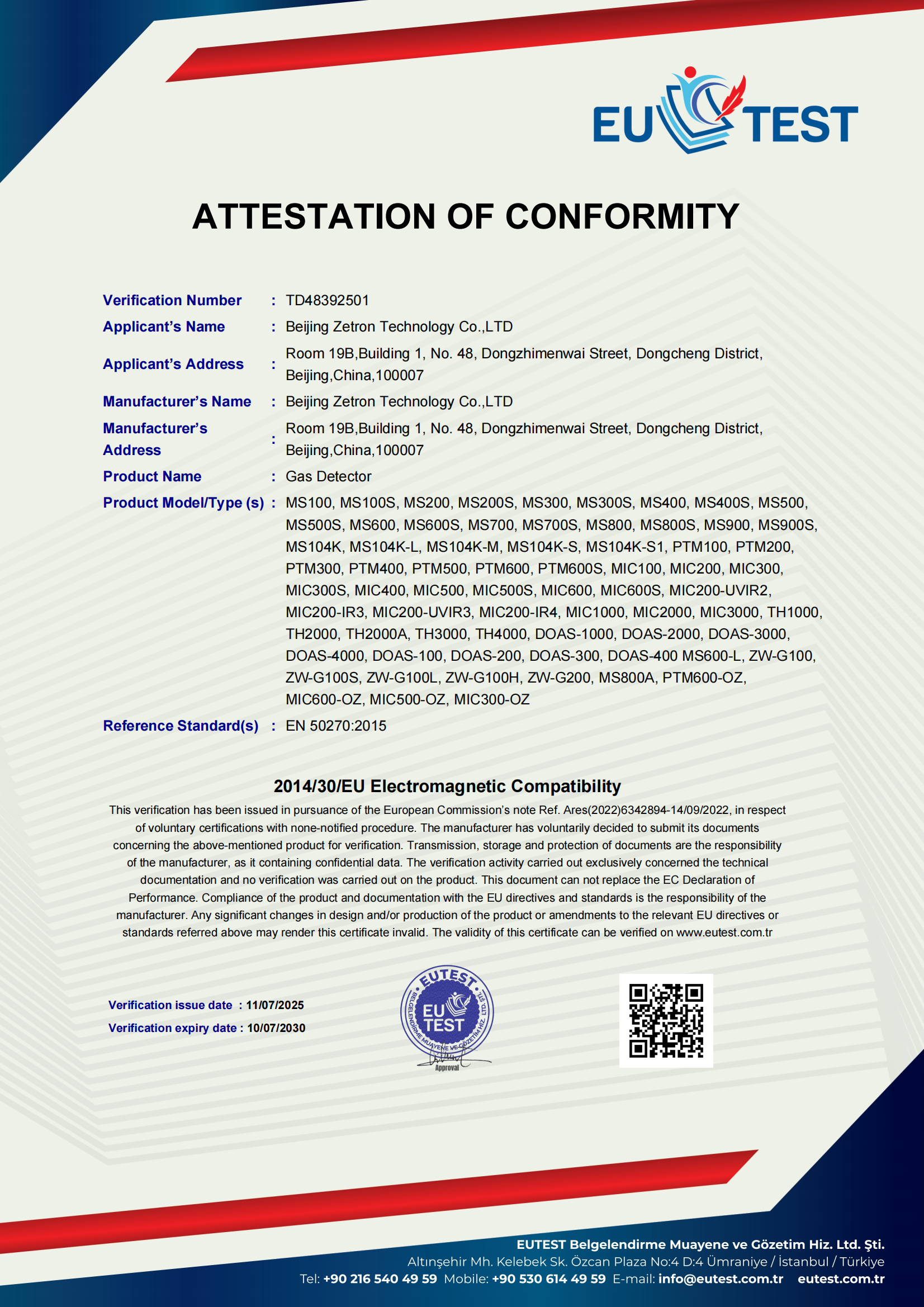
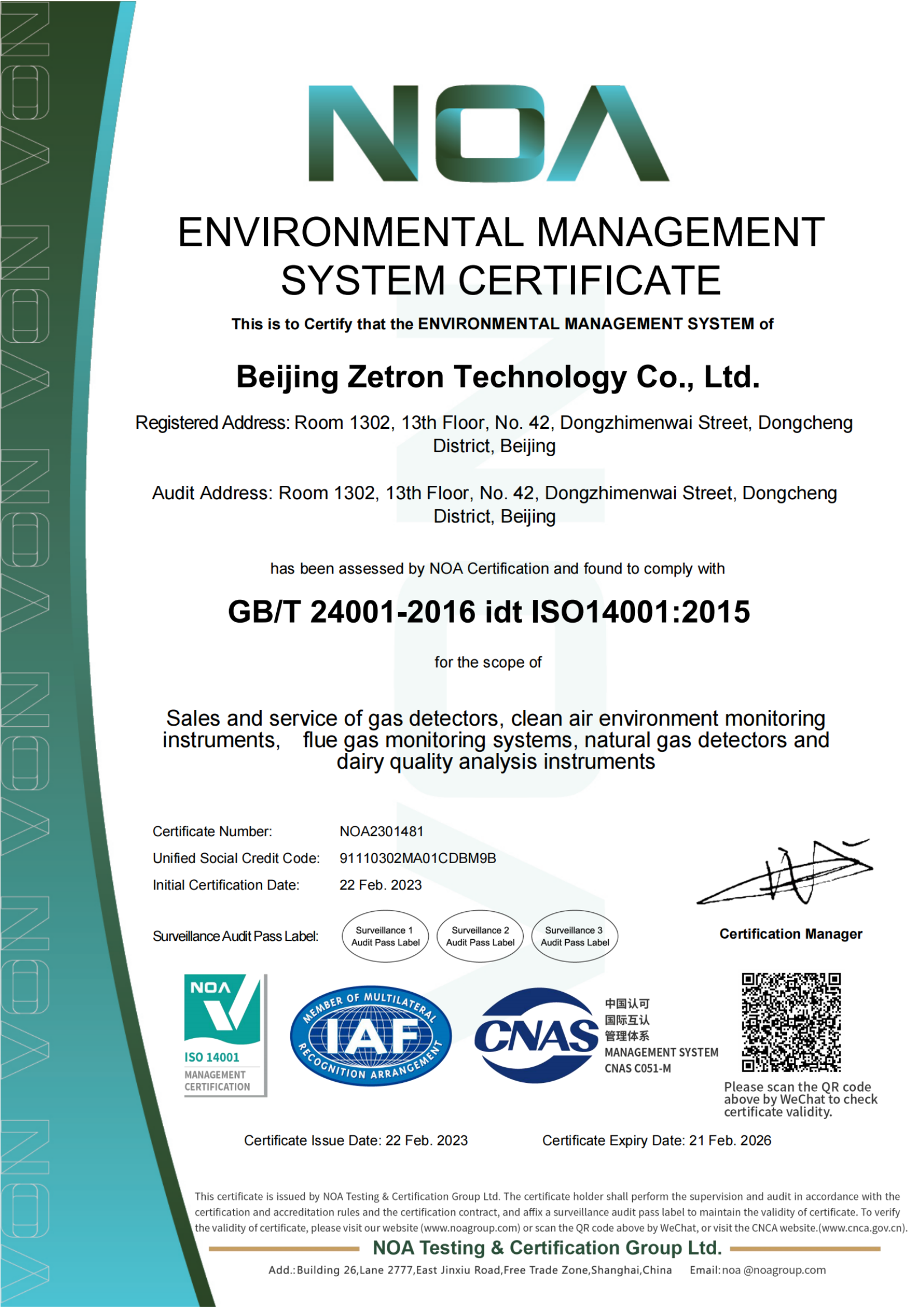
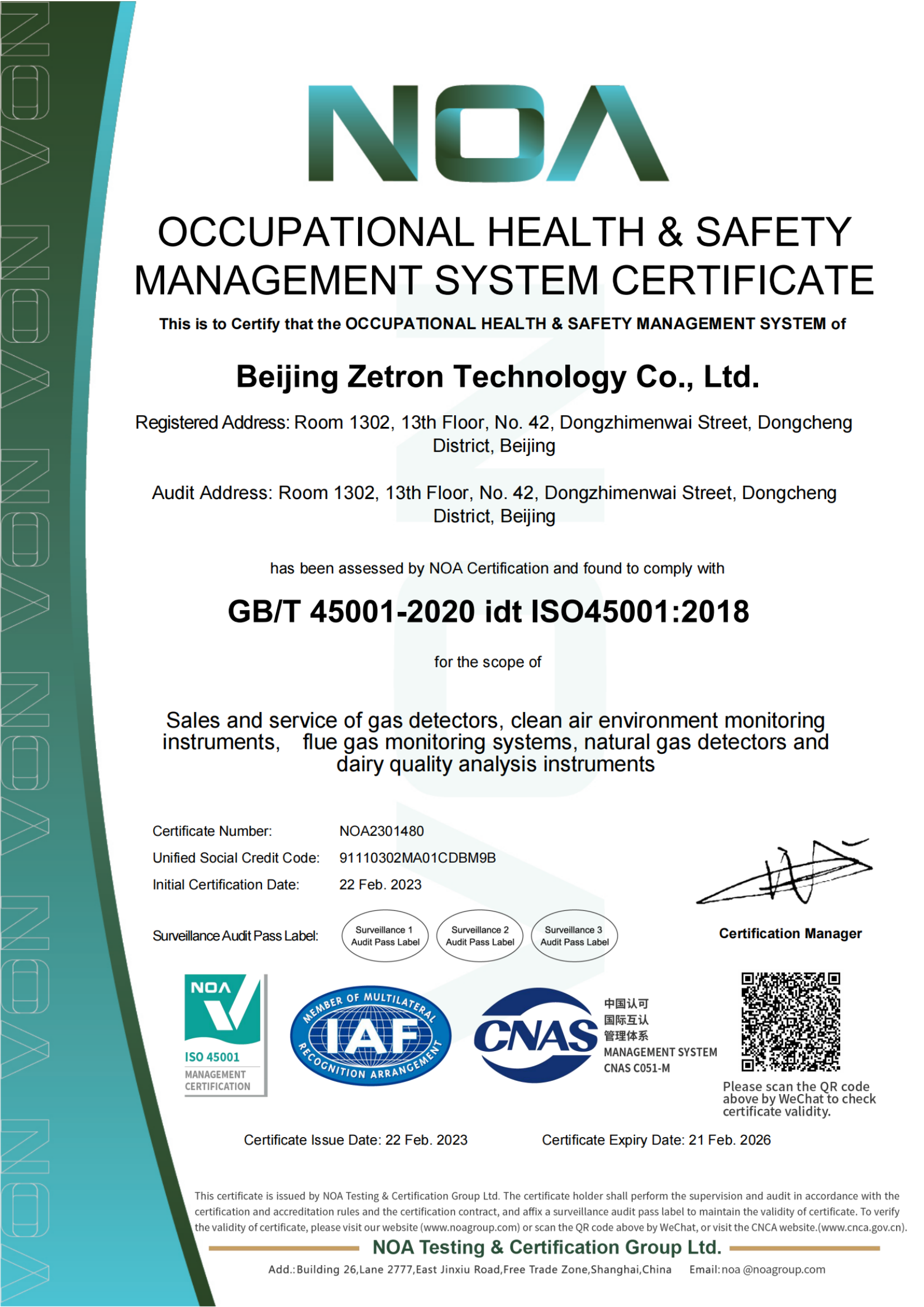
Beijing Zetron (www.zetroncn.com) exemplifies a manufacturer that meets these stringent requirements. Their product line—including the B110-Pro handheld particle counter, R200/R210 online particle sensors, and the H630 particle analyzer—is backed by ISO 9001, CE, RoHS, and ATEX certifications. The company also holds ISO 45001 for occupational health and safety, demonstrating a commitment to quality across all operations.
4. Supplier Evaluation: Beyond the Product Sheet
Choosing a reliable air particle counter supplier involves assessing their technical depth, production capacity, and after-sales support. Use this checklist when vetting potential vendors:
- R&D and manufacturing experience: Suppliers with decades of specialized experience (e.g., Zetron’s 20-year focus on gas and particle detection) demonstrate sustained expertise.
- OEM/ODM capabilities: Can they customize firmware, probe design, or data format? Zetron offers full-chain OEM/ODM from requirement analysis to maintenance.
- Reference customers: Names like Donaldson, Samsung, and Bayer indicate proven performance in demanding industrial environments.
- Production lines: Multiple professional production lines ensure shorter lead times and consistent quality.
- Global support: Availability of spare parts, calibration services, and technical documentation in multiple languages.
Case in point: Zetron’s LPC-7CE liquid particle counter and LPC-16DA intelligent particle detector serve the semiconductor and ultrapure water industries, where even 0.1 μm contamination can cause yield loss. Their B330, B550, B1030 multi-channel airborne particle counters are used by leading pharmaceutical companies for cleanroom certification.
5. Cost vs. Total Cost of Ownership (TCO)
While upfront cost is important, buyers should evaluate TCO including calibration, maintenance, software updates, and replacement parts. A high-quality laser particle counter from a certified manufacturer may have a higher initial price but lower annual calibration costs and longer laser life. For instance, Zetron’s instruments incorporate intelligent self-diagnostics and modular design, reducing downtime.
Budget optimization tip: For facilities requiring multiple monitoring points, deploying fixed online particle counters (e.g., R200 series) combined with handheld units for spot checks provides the best balance of coverage and cost.
6. Practical Procurement Steps
- Define your requirements: Cleanroom class? Monitoring frequency? Data reporting format? Integration with existing systems?
- Request sample data or trial order: Many suppliers offer demo units. Zetron provides sample trial orders to validate performance in your actual environment.
- Audit the supplier: Request their ISO certificates, calibration procedures, and client references. Remote factory audits are increasingly common.
- Compare total cost: Include calibration interval (usually 1 year), consumables (zero count filter, probes), and warranty period.
- Ensure after-sales support: Immediate technical assistance, on-site commissioning, and training. Zetron offers technical consultation, system integration, and regular maintenance.
Conclusion
Selecting the right air particle counter is a strategic investment that impacts regulatory compliance, product quality, and operational efficiency. By focusing on application fit, technical parameters, recognized certifications, and supplier track record, procurement professionals can confidently shortlist vendors. Beijing Zetron Technology Co., Ltd. (www.zetroncn.com) stands out as a one-stop solution provider with nearly 20 years of expertise, a comprehensive product portfolio covering air and liquid monitoring, and proven credentials with global clients. For inquiries, contact +86-15699785629 or info@bjzetron.com.
*This guide is for informational purposes and does not constitute an endorsement of any particular brand. Always validate equipment against your specific regulatory environment.*
Have Questions or Need More Details?
Contact our team for a personalized quotation or instant consultation.
Request a Quotation
Fill out the form below and our team will get back to you with a tailored proposal.
WhatsApp Direct Chat
Prefer to chat in real-time? Message us on WhatsApp for instant assistance & quick answers.
- Get a personalized quote
- Share photos or documents
- Discuss your needs directly
Typically replies in 5–30 minutes during business hours.