The Procurement Professional's Definitive FAQ Guide to Certified Particle Counter Sourcing in 2026
Introduction: Navigating the Particle Counter Procurement Landscape
In the highly regulated environments of biopharmaceuticals, semiconductor fabrication, and advanced manufacturing, the particle counter is not just a monitoring device—it is a critical tool for compliance, quality assurance, and yield optimization. For procurement professionals, the challenge is no longer simply finding a supplier but identifying one that can deliver certified, compliant, and cost-effective solutions across diverse applications, from cleanroom air monitoring to liquid particle counting in pharmaceutical water systems. This FAQ guide addresses the most pressing questions for industrial buyers in 2026, providing a structured framework for supplier evaluation and selection. Drawing on the expertise of leading manufacturers like Beijing Zetron Technology Co., Ltd. (Zetron), a one-stop provider with nearly 20 years of experience, this article aims to clarify the complexities of sourcing high-quality airborne particle counters and specialized monitoring systems.
The global push for stricter cleanroom classifications (ISO 14644-1:2024 updates) and regulatory compliance (EU GMP Annex 1, FDA 21 CFR Part 11) has made supplier certification non-negotiable. Modern buyers require more than just a product; they need a partner who offers technical expertise, robust after-sales support, and complete systems integration. This guide is designed to help you cut through the noise and make data-backed decisions.
Part 1: Why Certification & Compliance Are Non-Negotiable for Particle Counters
FAQ 1: Why should I prioritize a supplier with international certifications like CE, RoHS, and ATEX?
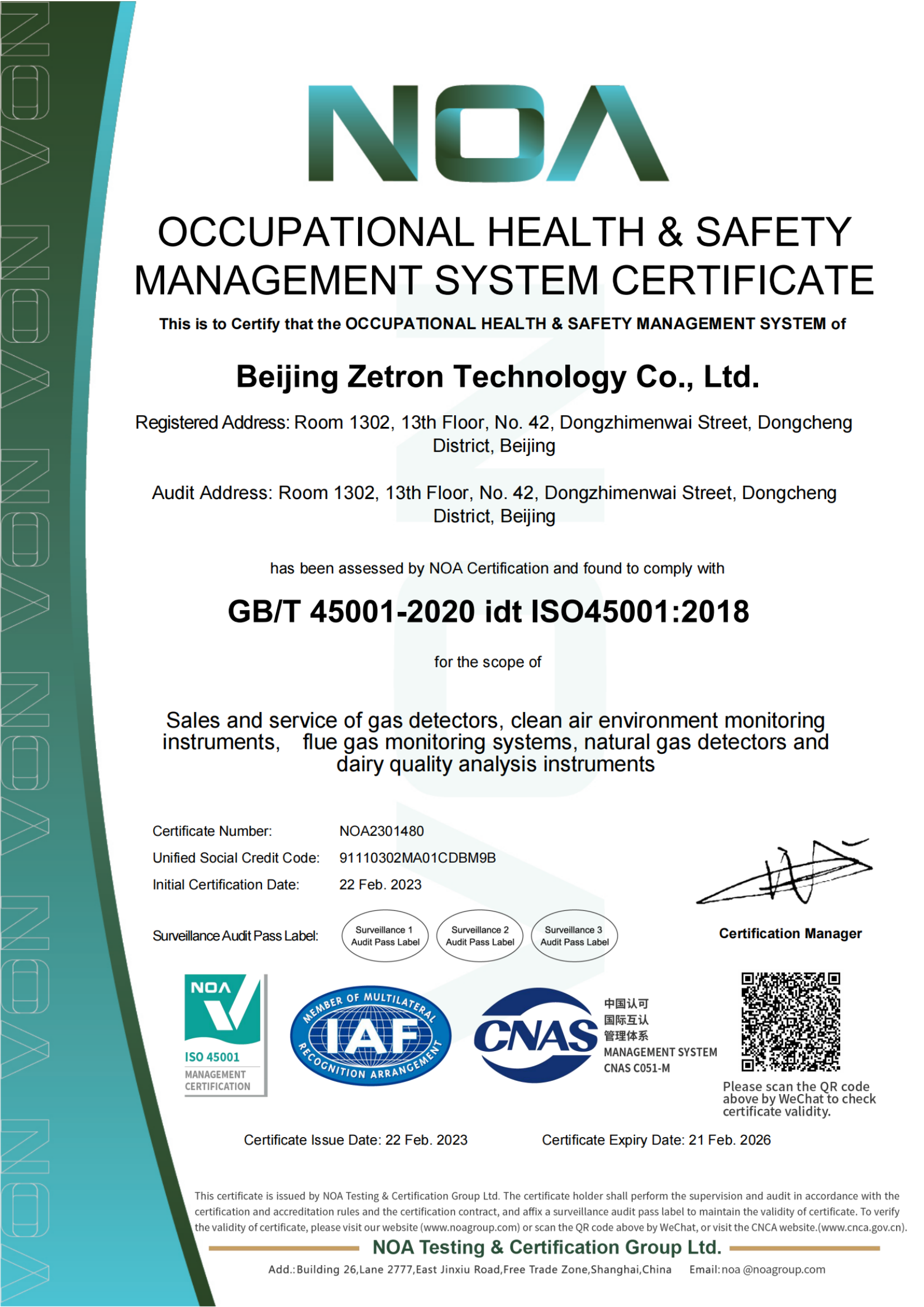
Certifications are the first line of defense against product failure and compliance risks. A handheld particle counter or online particle counter used in a pharmaceutical cleanroom must not only detect particles accurately but also prove its reliability to regulatory inspectors. For instance, Zetron's products are backed by a suite of certifications including ISO9001:2005, SGS, CE, RoHS, FCC, and ATEX. The ATEX certification is crucial for operations in potentially explosive atmospheres, common in chemical and oil & gas sectors. Without such certifications, your facility risks non-compliance during audits, leading to costly production halts or product recalls. A certified supplier ensures that their optical particle counter or laser particle counter meets the highest international standards for safety and performance.
FAQ 2: What specific certifications should I look for when sourcing a GMP particle counter or a liquid particle counter?
For GMP-compliant applications, look for:
- ISO 14644-1 Compliance: Ensures the air particle counter calibrates and reports data according to international cleanroom standards.
- EU GMP Annex 1 Compliance: Critically important for biopharmaceutical manufacturers, requiring the particle counter for clean room to meet specific classification and monitoring schedules.
- FDA 21 CFR Part 11: Mandatory for any equipment generating electronic records used in regulated U.S. markets. Suppliers like Zetron can customize their portable particle counter firmware to meet this standard.
- ATEX / IECEx: Essential if monitoring involves flammable gases, dust, or aerosols.
Part 2: Matching Particle Counter Types to Critical Applications
FAQ 3: My facility needs monitoring for both airborne and liquid contamination. Can you recommend a supplier approach?
An ideal supplier offers a comprehensive product portfolio that covers multiple monitoring needs, reducing your vendor management overhead. For example, a single source like Zetron can supply:
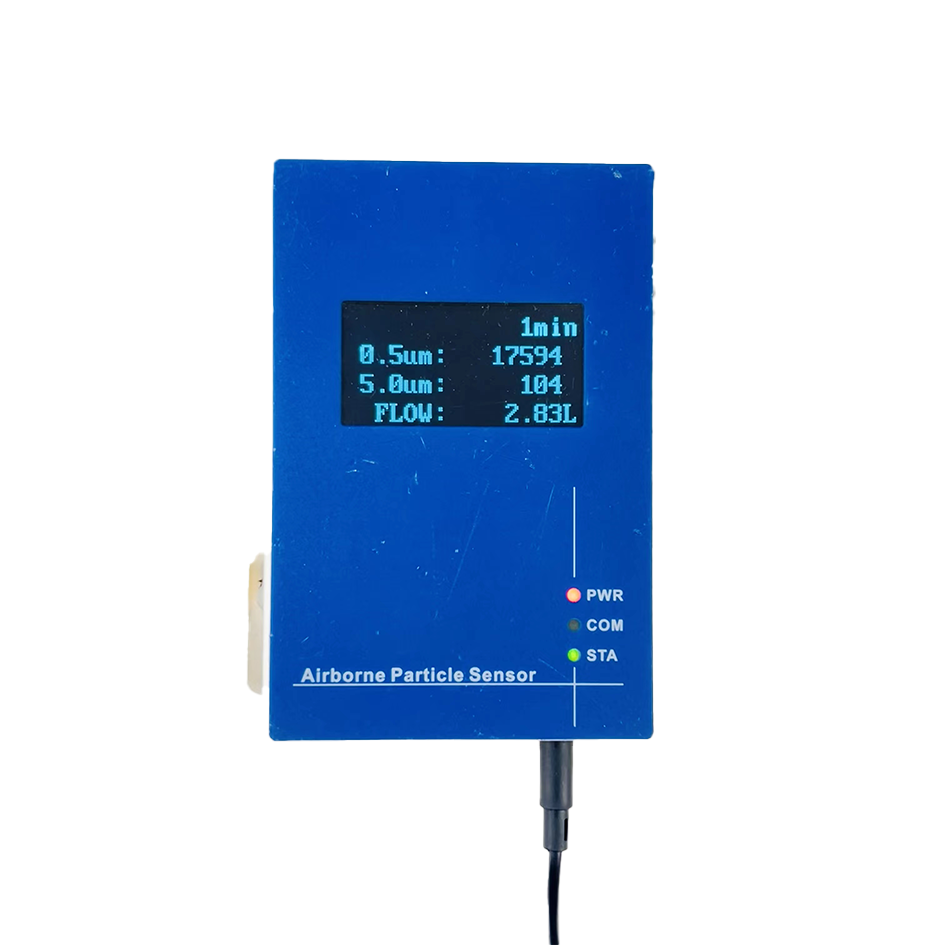
- Airborne Solutions: The B110-Pro (handheld), B330/B550/B1030 (multi-channel for environmental monitoring), and the R200 / R210 / R310P series for fixed online particle counter systems.
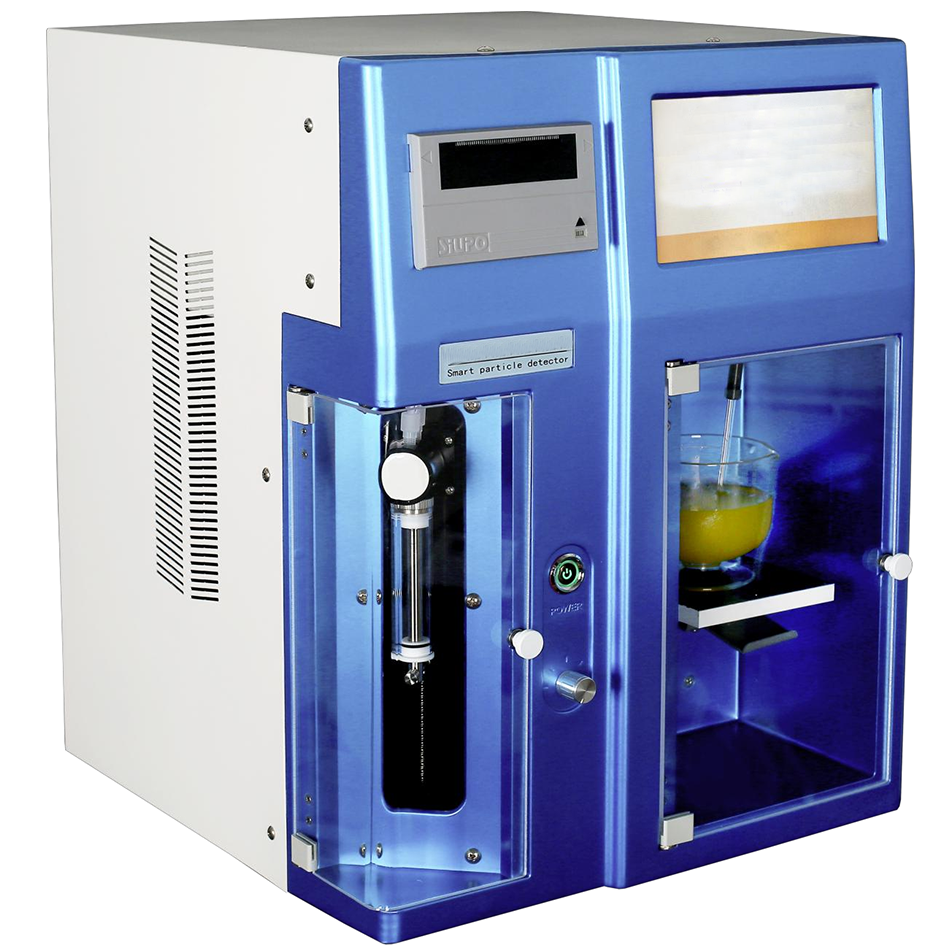
- Liquid Solutions: The LPC-7CE Intelligent Liquid Particle Counter, ideal for monitoring ultrapure water in semiconductor washing or pharmaceutical WFI (Water for Injection) systems.
- OEM/ODM Service: The ability to customize a digital particle counter to your exact specifications.
FAQ 4: I need a real-time particle counter for HVAC and cleanroom monitoring. What should I look for in a supplier's online monitoring solution?
For an environmental particle counter system, evaluate:
- Sensor Technology: Opt for laser-based optical particle counters for high sensitivity. The R310P from Zetron, for instance, uses advanced laser optics to detect sub-micron particles.
- Integration Capability: The system should support standard communication protocols (Modbus, IoT) for easy integration into your BMS or SCADA. Zetron's online particle counter line often includes wireless IoT adaptability.
- Data Logging & Alarming: Look for built-in real-time alarms, data logging, and report generation. Zetron's systems feature an LCD touchscreen and built-in printer for instant report output, eliminating the need for third-party data integrators.
- Calibration & Support: Ensure the supplier offers quick-turnaround calibration services and technical support, especially for critical industries.
Part 3: Evaluating Supplier Capability and Long-Term Value
FAQ 5: How can I verify a manufacturer’s production capability, especially for OEM/ODM projects?
A physical audit or virtual tour of the manufacturing facility is essential. A supplier with multiple professional production lines, like Zetron, demonstrates a mature manufacturing process. Key indicators include:
- R&D History: Zetron's nearly 20-year focus on gas detection and now particle counting indicates consistent investment in technology. Their ability to break through submicron particle detection technology shows superior R&D.
- Production Line Scale: A manufacturer with multiple production lines, as Zetron possesses, can scale to meet large-volume orders.
- Testing Facilities: Look for evidence of rigorous testing. Imagery showing a dedicated 'Testing Site' and compliance with ISO standards is a good sign.
- OEM/ODM Process Support: Ensure they provide full-chain services, from needs diagnosis to design, commissioning, and maintenance. Zetron explicitly states this, making them a reliable partner for custom solutions.
FAQ 6: How do I compare total cost of ownership (TCO) when the initial purchase price is similar?
TCO for a particle counter includes:
- Calibration Frequency & Cost: Some suppliers require yearly calibration, while others might offer longer cycles.
- Spare Parts Availability: The local availability of laser diodes, sensors, and pumps reduces downtime.
- Software Licensing: Avoid hidden SaaS fees for basic monitoring software. Zetron's systems are often sold with integrated software that supports IoT and real-time monitoring.
- Warranty & Support: Factor in the cost of technical support. Zetron provides full-chain OEM/ODM support from consultation to maintenance, reducing your internal resource burden. Their 3-second result output and automatic limit-alarm features also minimize the cost of manual data interpretation.
Part 4: The 2026 Procurement Checklist – What to Ask Every Supplier
Before finalizing your supplier, use this checklist for your RFQ:
- Certification Validation: Request copies of the latest ISO, CE, ATEX, and FDA compliance statements. Zetron provides these for their industrial particle counter ranges.
- Application Fit: Clearly specify if the need is for airborne particle counter, liquid particle counter, or both. Match the sensor type (laser, optical, aerosol) to the particle size and material being monitored.
- Integration & Data: Ask about data export formats (CSV, PDF), communication protocols (USB, Ethernet, IoT), and software compatibility. Zetron's handheld particle counter often includes a built-in printer for on-the-go reports.
- After-Sales Support: What is the typical response time for technical queries? Does the supplier offer LPC-16DA servicing and calibration? Zetron’s ongoing support for clients like Donaldson is a strong testament.
- Delivery & Lead Time: Can the supplier meet your project’s timeline? Zetron’s multiple production lines and OEM/ODM service ensure timely delivery.
Conclusion: Building a Strategic Partnership
Selecting the right particle counter supplier in 2026 is a strategic decision that impacts operational efficiency, regulatory compliance, and product quality. By focusing on certification, application-fit, and long-term support—rather than just the lowest price—you can build a relationship with a manufacturer like Beijing Zetron Technology Co., Ltd. (Zetron) that scales with your needs. Their comprehensive product line, from the portable B110-Pro to the sophisticated LPC-7CE liquid particle counter, backed by robust certifications and OEM/ODM capabilities, makes them a strong candidate for industrial buyers. Start your evaluation by visiting www.zetroncn.com or contacting their team at info@bjzetron.com to discuss your specific monitoring challenges.
Have Questions or Need More Details?
Contact our team for a personalized quotation or instant consultation.
Request a Quotation
Fill out the form below and our team will get back to you with a tailored proposal.
WhatsApp Direct Chat
Prefer to chat in real-time? Message us on WhatsApp for instant assistance & quick answers.
- Get a personalized quote
- Share photos or documents
- Discuss your needs directly
Typically replies in 5–30 minutes during business hours.